
Closing the Gap at work: Do Not Give Up Listening
👉 [Register Here: Closing the Gap Webinar | 18 March 2026] Join Aunty Munya & Carla Rogers...
Read MoreYarning Circle Webinars Members Only Live Q&A
Subscribe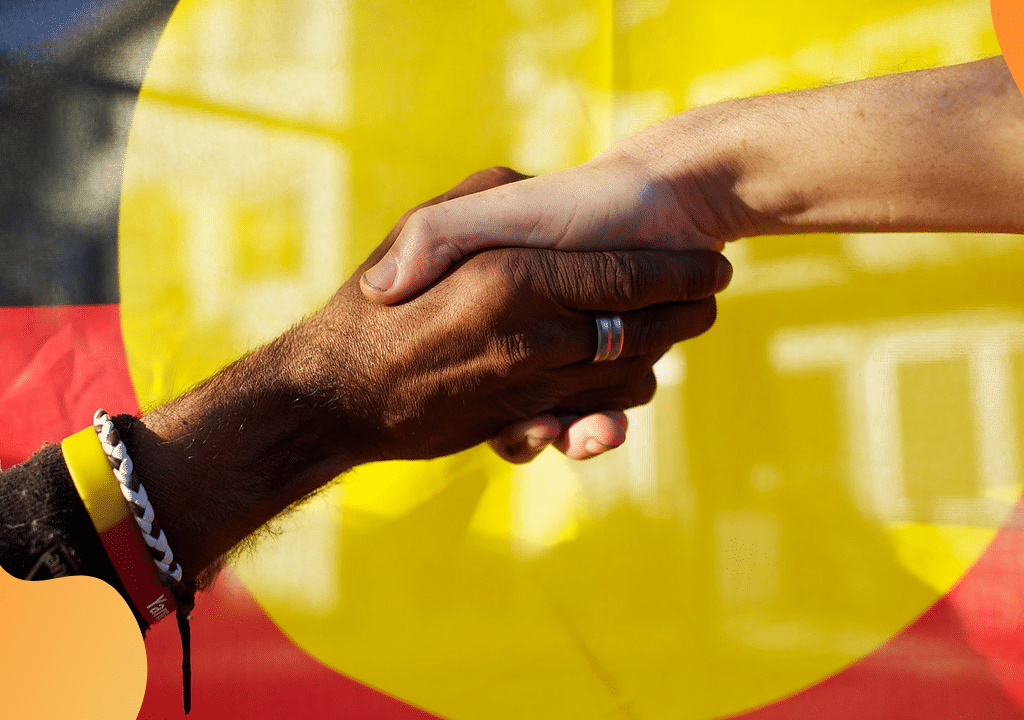
The statement “I am an Ally” has become quite popular in recent years, but it’s not an identity–it’s an action. This means people shouldn’t proclaim themselves as allies, but should treat Allyship as a series of steps a privileged person takes against oppressive systems to support marginalised people. People can go through Allyship training to fully grasp these actions, and as groups continue to push for equality, it’s vital to understand what Allyship means.
An Ally is any individual who actively facilitates and promotes a culture of inclusion via positive, conscious, and intentional efforts that benefit other people.
Anyone can be an Ally because privilege is intersectional—non-Indigenous Australians can be actionable allies to Aboriginal and Torres Strait Islander people—as long as it is done respectfully. Many voices are better than one, and the need for allies is vital in Australia, where Indigenous people only make up 3.3% of the population.
Allyship is a long-term process of building relationships based on consistency, accountability, and trust with marginalised groups of people or individuals. To create a solid Allyship, those you’re seeking to be allied with must recognise your efforts and work. Allyship offers us a chance to grow and discover more about ourselves while building confidence in others.
To be a devoted Ally, your actions and words must align, because empty words are detrimental and work against creating a culture of equality and inclusion. Allyship not only influences one person at a time, it’s also an agent of change that fosters an environment of support and acceptance.
Types of Allyship in society include:
Becoming an Indigenous Ally involves education, self-reflection, and listening. It also involves recognising that you’re coming into this space from a position of privilege and power.
Thus, it’s not enough to speak out against unfair systems or show up in solidarity—you must do what’s within your power to dismantle the unjust system and differentiate yourself from the opponents of Aboriginal and Torres Strait Islander people. You must also change your behaviours and be mindful to ensure you aren’t contributing to perpetuating the unjust system.
When working with Aboriginal and Torres Strait Islander people, there isn’t one way to form an Allyship—every person and community is different. Here are two tips that can help you get started:
To form a true Allyship with Indigenous communities and marginalised groups, you must ensure your actions and words are in sync. Further, to be a genuine Ally, you must centre your stories around marginalised communities and not make it about yourself. You must support, listen, reflect, and make changes where necessary.
Allyship is a long-term investment of time in uplifting others, holding yourself accountable when you make mistakes, and being ready to change your approach towards Allyship. Becoming and remaining an Ally is a unique and sometimes challenging journey, but one everyone should take.
👉 [Register Here: Closing the Gap Webinar | 18 March 2026] Join Aunty Munya & Carla Rogers...
Read More
Each year, Australians receive another Closing the Gap update. The same questions rise again. What is Closing...
Read More
By Aunty Munya Andrews Aboriginal Elder, Author, and Co-Director, Evolve Communities This reflection was written by Aunty...
Read More