Indigenous Cultural Awareness
Build understanding & respect for Indigenous cultures, histories, and perspectives, and create safe spaces at work, and better community relationships.
The Importance of Becoming Culturally Sensitive and Aware
Cultural awareness means being sensitive to the differences and similarities between two cultures when communicating or interacting with members of other cultural groups.
Cultural sensitivity involves inculcating values, attitudes, and knowledge that display openness and respect for different cultures, religions, languages, manner of dress, and communication styles.
The key challenges:
- Policies that sound good on paper
- Disconnected training that doesn’t stick
- Leadership that doesn’t understand the stakes
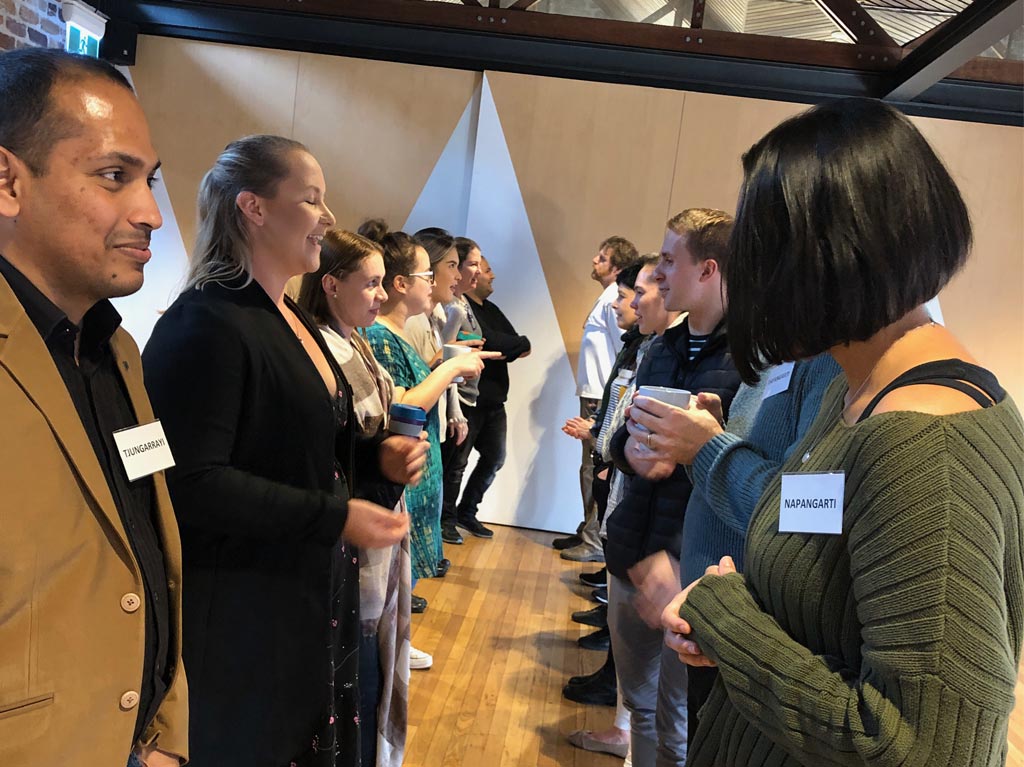
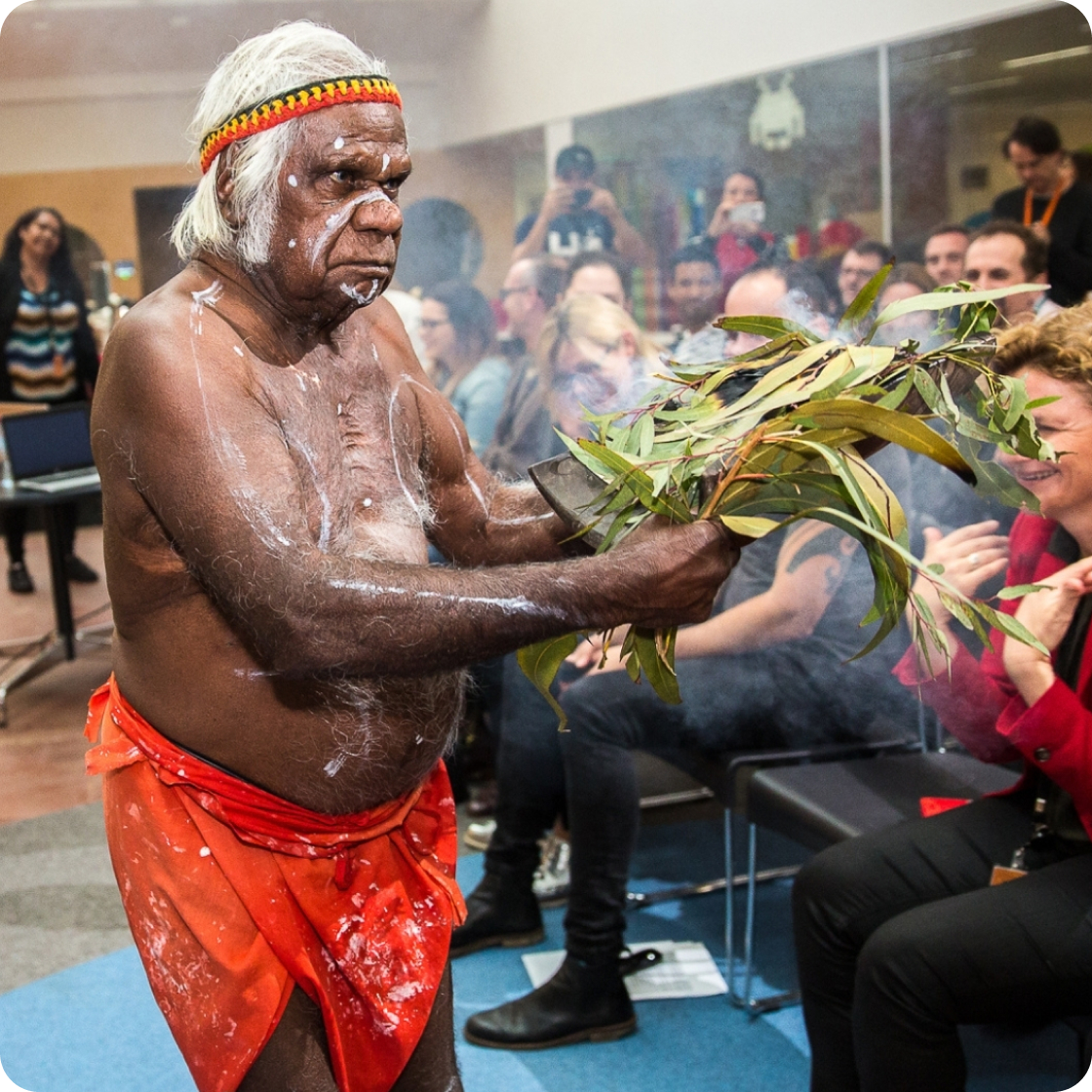
Practical knowledge of cultural terms
Cultural awareness is often used interchangeably with other terms, such as ‘cultural safety’ and ‘cultural competence.’ The following definitions will help you understand the meaning of each term.
Practical knowledge of these terms will facilitate effective, appropriate, and safe communication with people of different cultures.
Cultural awareness deep dive
Cultural awareness involves raising people’s understanding of the influence our culture has on how we do things, including how we communicate, what foods we eat, or even how we go about our work.
Being culturally aware means understanding why cultural diversity is important and recognising that not every person will do things in the same manner as we do. Being mindful of this diversity allows us to be more respectful of the way others operate based on their cultural backgrounds.
While you may not be intimately familiar with other cultures, if you at least understand your own culture and how it affects you, you can take the first step in developing a sense of cultural awareness when it comes to interacting with people who may have a different background than yourself.
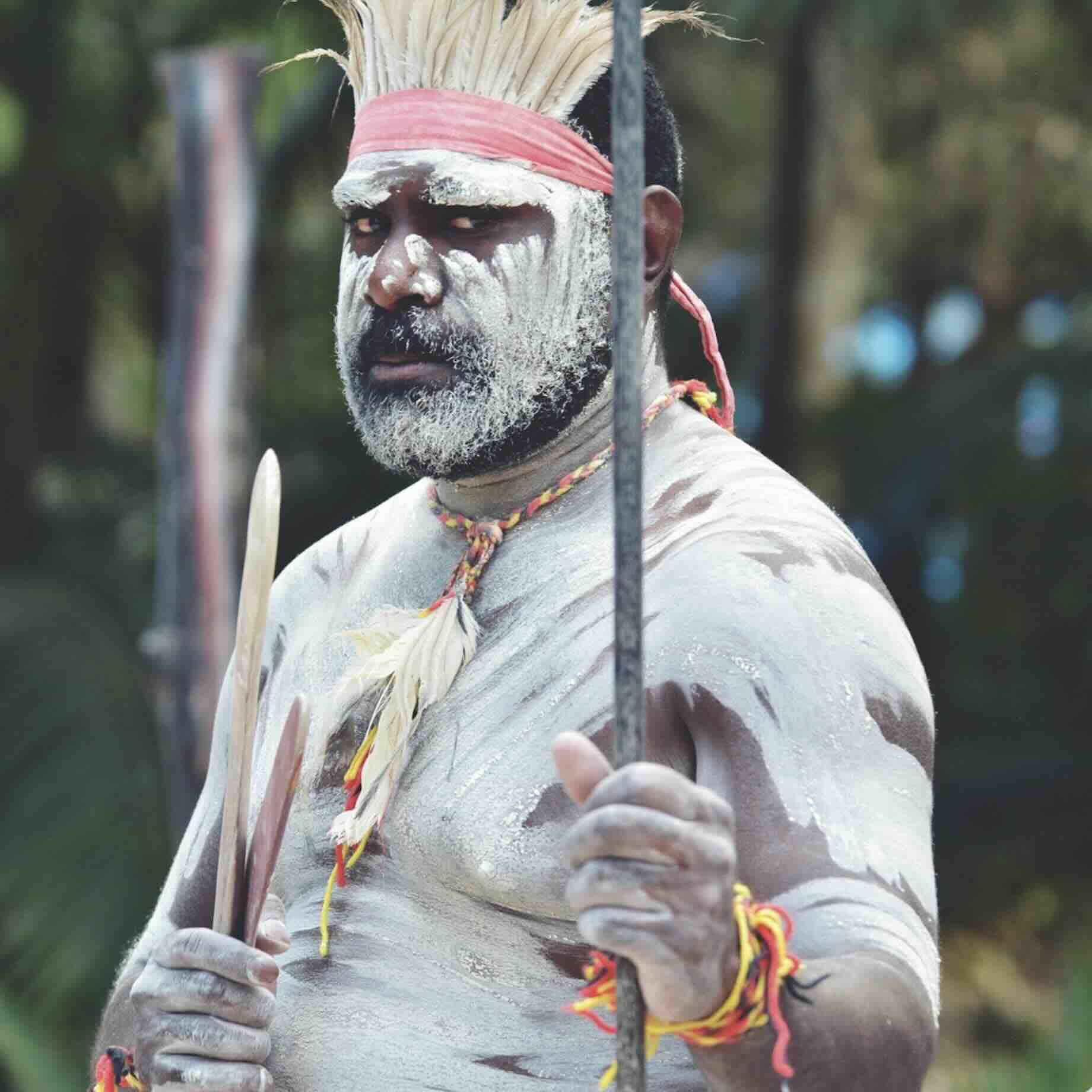
A Connected Learning Ecosystem
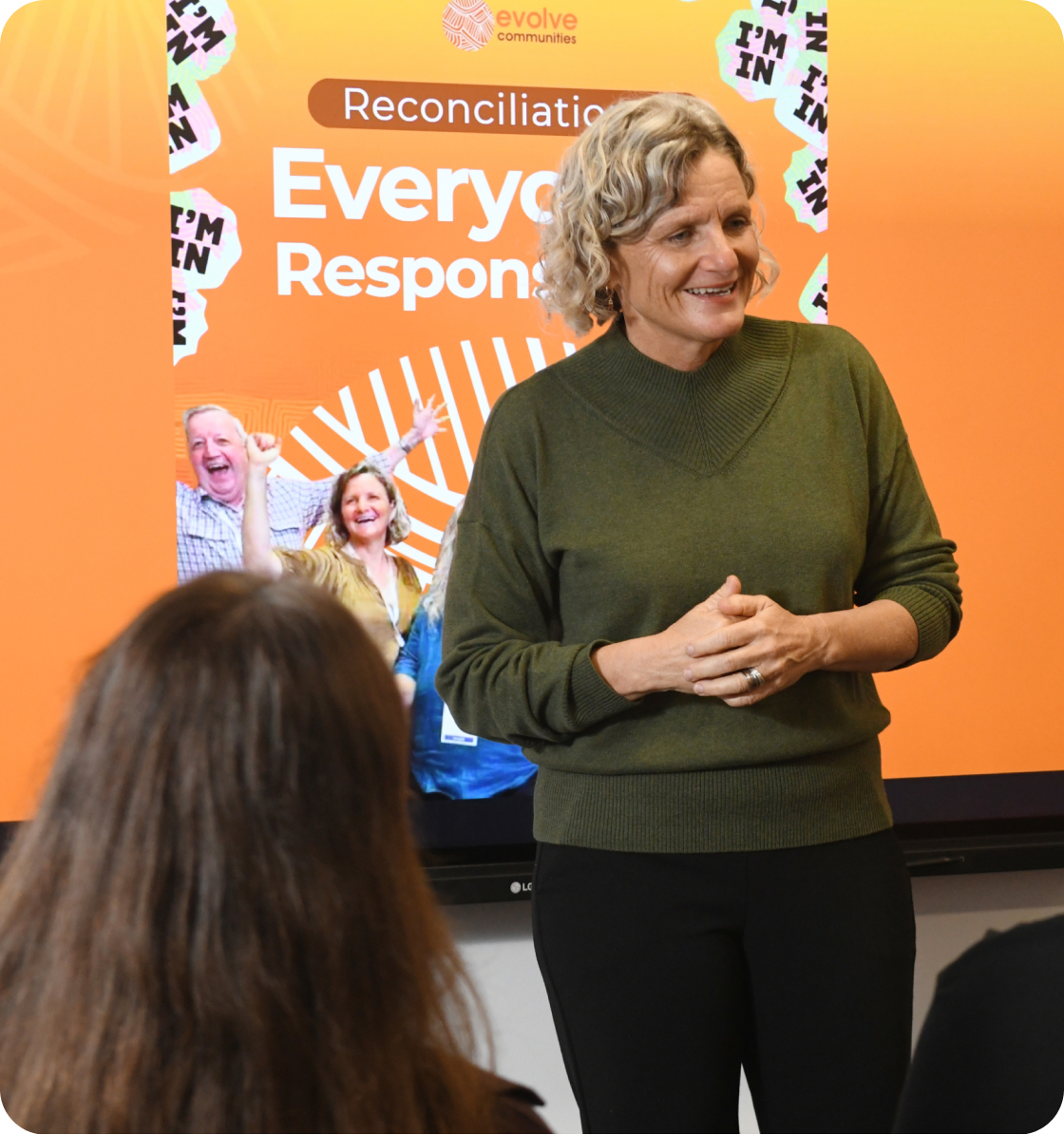
Team Workshops
Designed for real conversations and lasting change
Our workshops bring people together in spaces where genuine dialogue happens. Expert facilitators guide your team through practical exercises that build understanding and create pathways for meaningful action.
- No Blame, No Guilt, No Shame
- Simple Set Up
- Real Transformation
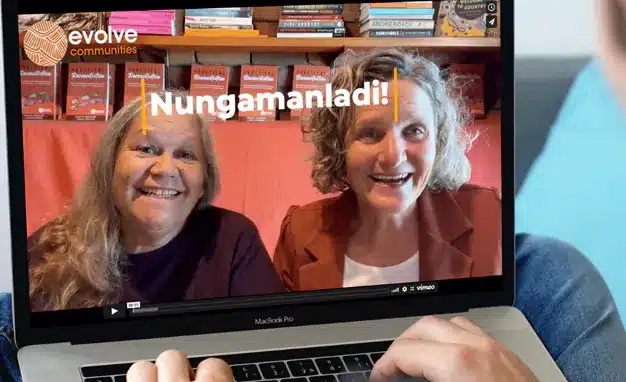
Inspirational Webinars
Evolve Communities provides a wide array of Indigenous cultural awareness webinars led by indigenous facilitators.
Choose from live interactive and prerecorded sessions that have helped businesses, organisations, government bodies, and leadership teams improve their understanding and engagement with people, employees, care recipients, and family members of all ethnicities.
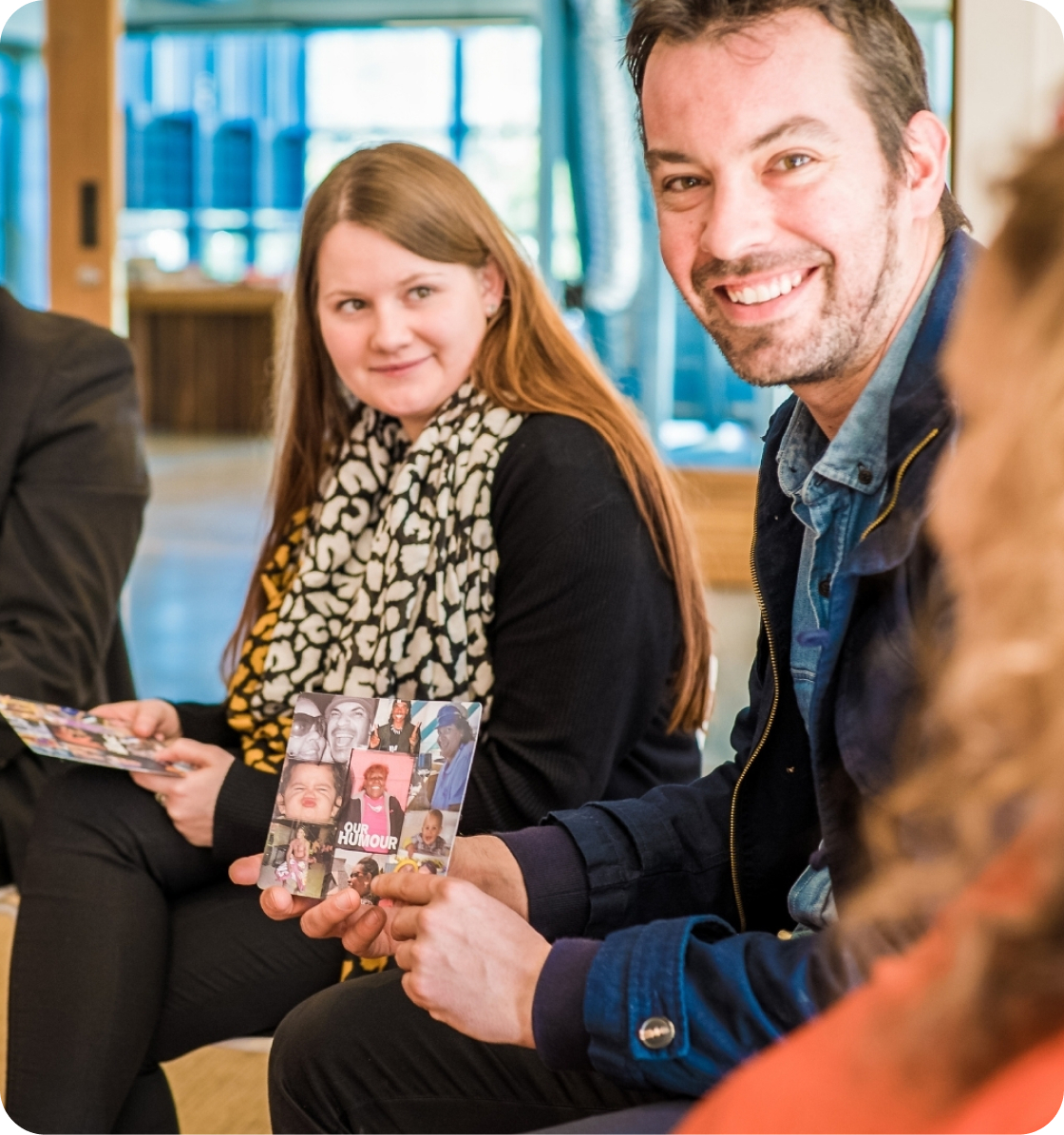
Online Courses
You want to make a difference – and do it well. Whether you’re starting out or deepening existing initiatives, this is your next step.
At Evolve Communities, we’re Australia’s trusted authority in Cultural Awareness Training and Ally Accreditation. Guided by Indigenous cultural wisdom, our 7 Step® frameworks turn intent into practical action – with our no blame, no shame approach.
Scaleable programs can run sequentially or concurrently for different cohorts to create organisation-wide impact.
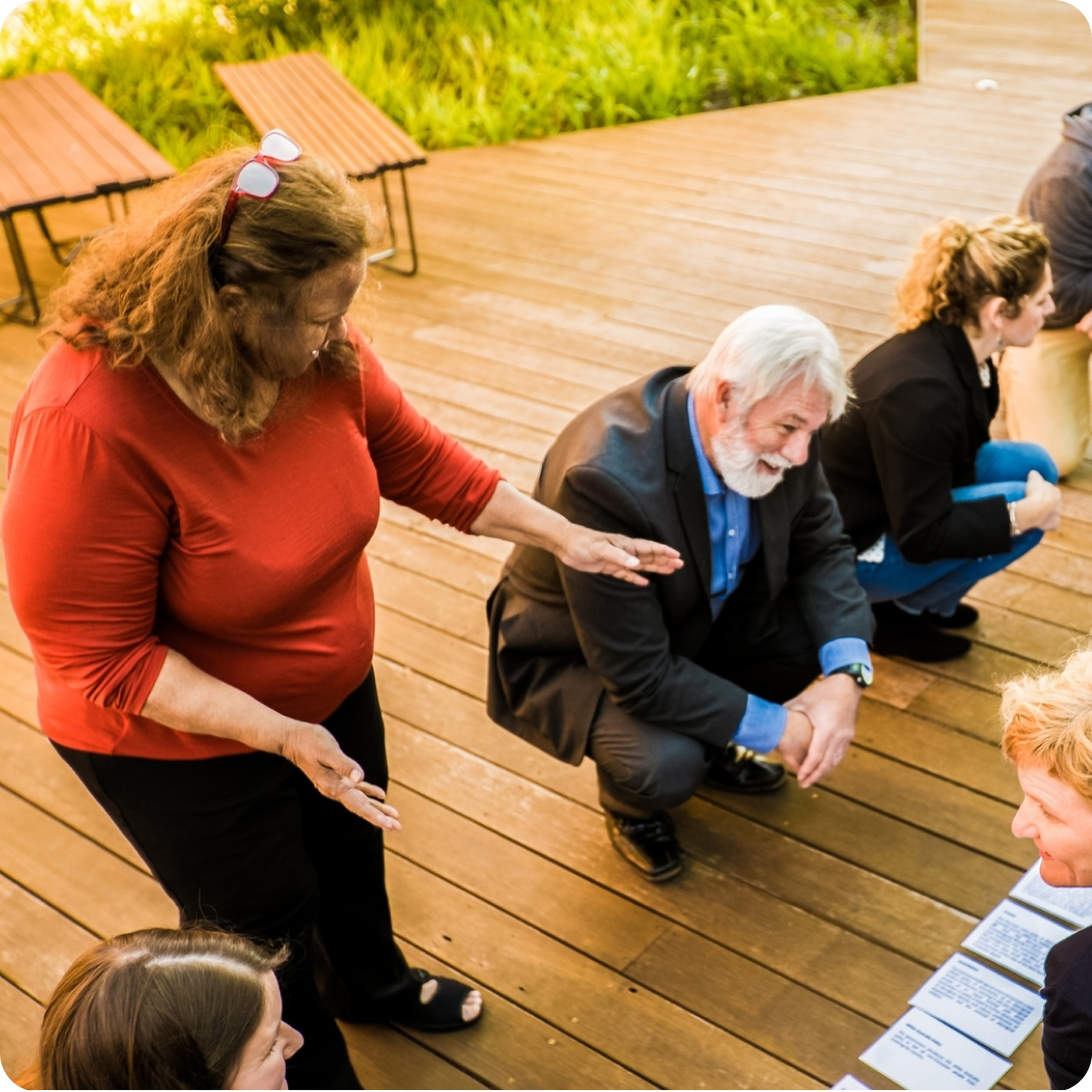
Leadership Programs
Transformational learning experiences
Online and in-person cultural awareness training for your leadership team, RAP committee or entire organisation – available all capital cities in Australia.
- Flexible delivery formats
- Scalable programs
- Accreditation available
The numbers tell a story of transformation
Evolve training participants report significant shifts in their understanding and commitment. Organisations see measurable improvements in workplace culture and inclusion. Lasting impact extends beyond training into ongoing behavioural change.
Participants satisfaction rate
Participants report increased confidence in allyship.
Organisations report cultural shift
Teams demonstrate sustained commitment to Reconciliation.
Improved Indigenous employment
Organisations strengthen recruitment & retention practices.






Free resources
Indigenous Calendar
Understanding our shared history is one of Evolve’s 7 Steps to Reconciliation and Allyship®, our tried-and-tested framework for building confidence to show up for…
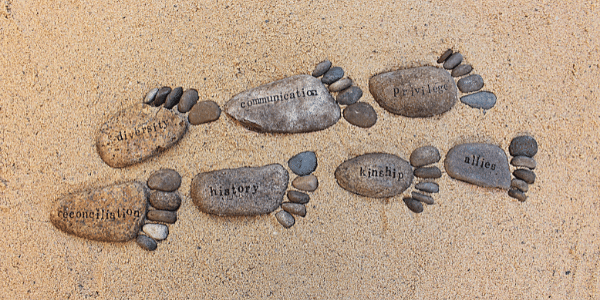
7 Steps to Practical Reconciliation®
You and your team are invited to immerse yourselves in the 7 Steps to Practical Reconciliation®, our tried-and-tested framework for building confidence to work…
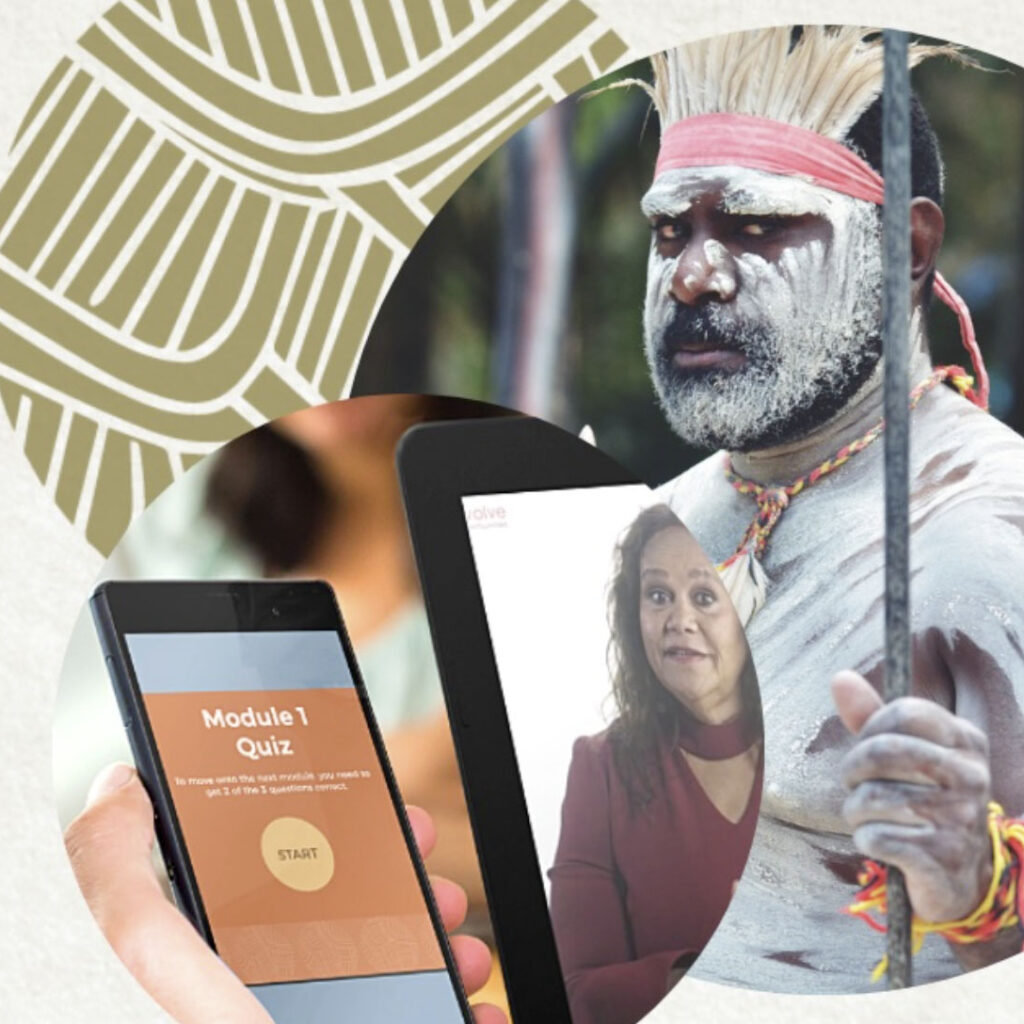
Our Shared History
Most Australians get these ten questions wrong! Whatever your result, we appreciate you taking the time to develop your cultural awareness. Let's get started!
Ask Aunty & Ally
Is there something you’ve always wanted to know about how to be an effective Ally to Aboriginal and Torres Strait Islander people?
Real stories
“I was keen to increase my understanding of Aboriginal and Torres Strait Islander peoples. The Evolve program gave me practical tools and strategies like when and how to give an Acknowledgement of Country. I increased my knowledge in some unexpected areas too, including about privilege. I highly recommend working with Evolve to anyone who values reconciling what has happened in the past and positively impacting how we move forward.”
 Adelaide ThompsonCampaign Unit Manager, Cancer Council NSW
“Working with Evolve has been a great partnership towards increasing our organisational cultural awareness at a national level. The tailored programs are highly interactive and experiential. I have observed our staff walking away with increased levels of confidence, understanding and inspiration and often with the positive exclamation ‘best training ever’.”
 Adrian CheathamAssistant Director, Workplace Diversity Team Australian Taxation Office
“I loved connecting with local Aboriginal people at the Evolve program. Together we are now ‘Taking the Bull by the Horns’ on employment strategies for people with a disability. “
 David GreelyEmployment Connections Manager WorkAbility
“I was asked about why all Aboriginal people drive Valiants. We all laughed, as I explained that Aboriginal people are as diverse as any other and that I drove an MGB sports car. My co-convenor, an older Noongar woman, was relieved that she didn’t get the question as she drove a Valiant! You can imagine the hilarity that followed”.
“As Evolve Communities have taught iAccelerate, Aboriginal Songlines are essentially knowledge networks that enable the communication of ideas to flow back and forth between two or more locations and serves as the perfect model for innovation ecosystems”
FAQs
Our educators are experts in cultural awareness training. Here are some of the questions they get asked the most.
What is Indigenous cultural awareness training?
Is there a difference between “Aboriginal cultural awareness training” and “Indigenous cultural awareness training”?
What does Indigenous cultural awareness training actually cover?
Who should take part in Indigenous cultural awareness training?
Is the training delivered online, in person, or both?
Who facilitates Evolve’s Indigenous cultural awareness training?
How much does Indigenous cultural awareness training cost?
Can Indigenous cultural awareness training lead to a professional qualification?
How is the impact of the training measured?
How do we book Indigenous cultural awareness training for our organisation?
Ready to lead change?
Book a consultation with our team to explore what’s possible for your organisation.