
National Reconciliation Week Is More Than a Morning Tea
As National Reconciliation Week approaches in less than a week, workplaces across Australia are finalising their plans....
Read MoreYarning Circle Webinars Members Only Live Q&A
Subscribe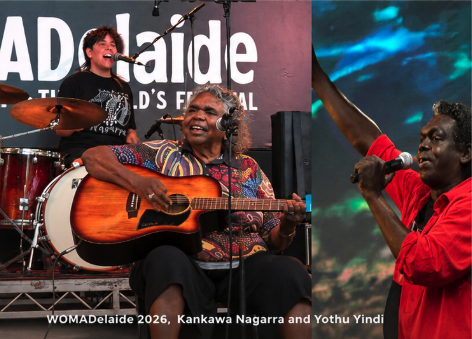
I’ve just returned from WOMADelaide where I arrived carrying what many people seem to be feeling this year – a quiet layer of background stress.
At a time when conversations about Closing the Gap, Reconciliation and First Nations leadership in Australia often focus on statistics and policy challenges, something else stood out at the festival.
Public life feels tense. The news cycle is heavy. As ABC journalist Dan Condon observed in his festival review, there are plenty of reasons to feel “bummed out”.
And yet, across the festival, one emotion stood out.
Not escapism. Not denial. But the kind of joy that grows from connection, culture and community.
WOMADelaide showcased powerful Indigenous artists from around the world alongside the depth and diversity of Australian First Nations talent. I found myself rapping and dancing with Barkaa and Baker Boy, moved by Yothu Yindi, and deeply struck by the warmth and presence of Walmatjarri Elder Kankawa Nagarra from the Kimberley, performing with extraordinary generosity.
Condon described joy as the dominant emotion surrounding the festival this year, quoting musician Fantastic Negrito:
“You want to change the world? Be nice to people.”
It may sound simple, but in a time of division and fatigue, there is something quietly powerful about shared humanity. Consequently, joy in this context was not a distraction from reality; instead, it served as a reminder of strength, resilience, and connection.
Closing the Gap is often discussed through statistics, targets and policy shortfalls. Accountability matters. But when the narrative focuses only on the deficit, something important can be lost.
Furthermore, sustainable progress only happens when communities lead. It grows from lived experience, cultural continuity, and deep responsibility for future generations. This is why we know that community-led solutions are the only way for meaningful progress in Closing the Gap.
Joy is a vital part of that story because it signals connection. In turn, connection builds trust. Without this trust, lasting change is incredibly difficult to achieve.
Without trust, lasting change is difficult to achieve.
Reconciliation is not simply about awareness or good intentions. It requires listening to First Nations leadership and recognising the knowledge already present within communities. Across Australia, most of the most effective initiatives are those shaped and led by the community itself.
These approaches strengthen culture, support local decision-making and build long-term resilience. They also remind us that Closing the Gap is not only about addressing disadvantages. It is also about recognising and strengthening what already sustains people and communities.
Workplaces are communities too.
They influence opportunity, shape experience and determine whether people feel respected and heard. For organisations committed to Reconciliation and Workplace Allyship, the challenge is not only policy. It is posture.
Compliance modules and awareness sessions are only a starting point. Real cultural capability requires curiosity, humility and practical steps grounded in understanding.
Many organisations are now building workplace allyship capability as part of their reconciliation journey.
In our work supporting organisations across Australia, we use a simple framework called R3:
R3 helps individuals and organisations move beyond awareness into everyday action. It creates space for learning without shame and progress without performative urgency. Reconciliation is not a single initiative. It is an ongoing practice grounded in relationships.
Joy reminds us what Reconciliation work is ultimately about: strong communities, living culture and shared humanity.
Moments of shared joy create the conditions where empathy can grow and difficult conversations become possible. And those conversations are essential to meaningful Reconciliation.
As the latest National Closing the Gap report highlights the importance of community-led approaches, workplaces have an opportunity to learn from what is working.
Reconciliation is driven not by perfection, but by people who remain open, willing and committed to learning.
If this conversation resonates with you, Aunty Munya Andrews and I will be exploring these themes in our upcoming live yarning webinar on Closing the Gap and community-led solutions.
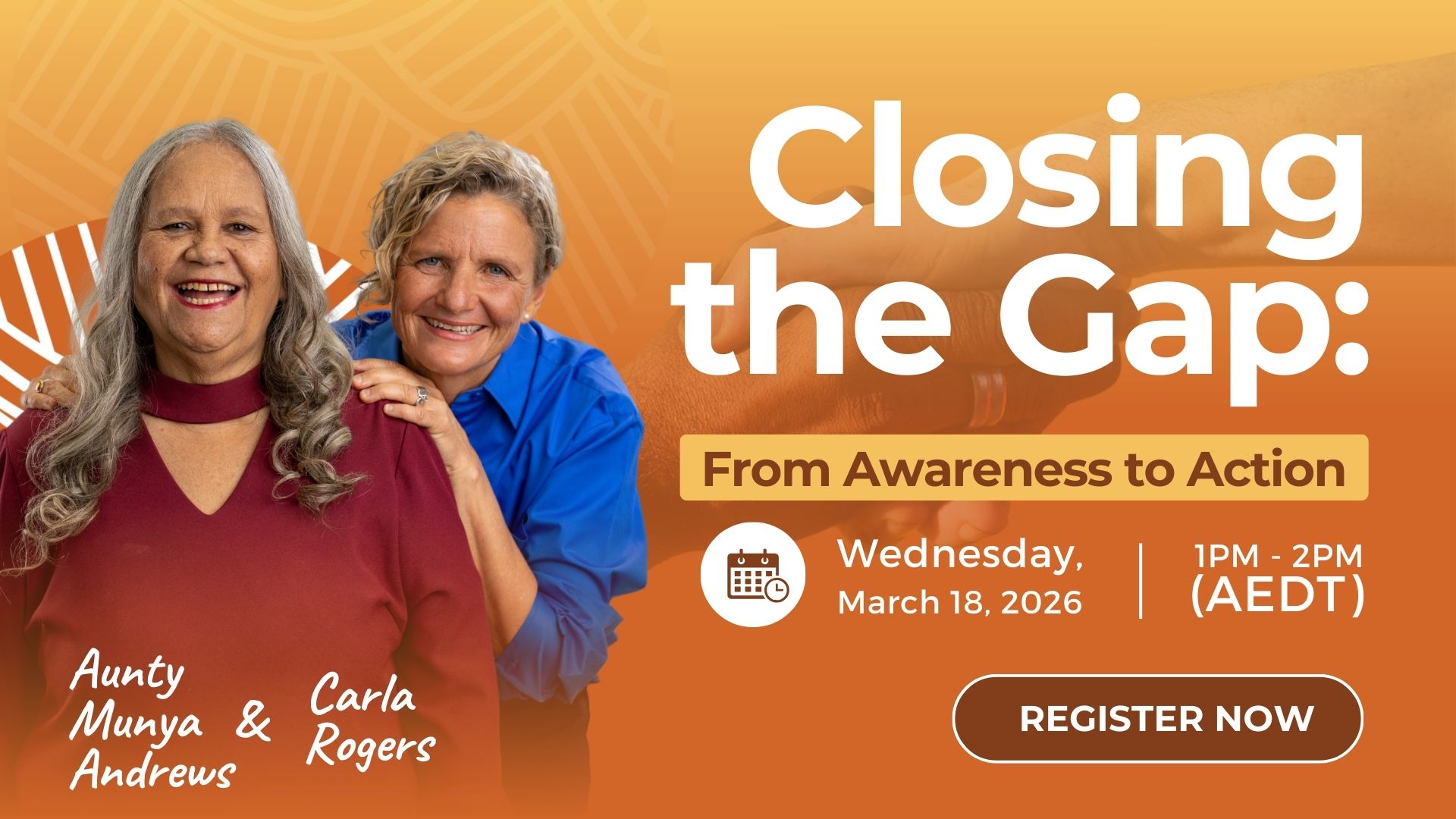
You can learn more and register here:
Click Here: Webinar registration
Because sometimes progress begins with something simple:
As National Reconciliation Week approaches in less than a week, workplaces across Australia are finalising their plans....
Read More
As National Reconciliation Week approaches, many organisations are asking the same question: “How do we engage the...
Read More
National Reconciliation Week is approaching, and many workplaces are beginning to finalise their plans. Last week, we...
Read More