Workplace Allyship for First Nations
Creating workplaces where Indigenous employees feel valued, supported and empowered to succeed.
Who Is an Ally?
An Ally is any individual who actively facilitates and promotes a culture of inclusion via positive, conscious, and intentional efforts that benefit other people.
Anyone can be an Ally because privilege is intersectional—non-Indigenous Australians can be actionable allies to Aboriginal and Torres Strait Islander people—as long as it is done respectfully. Many voices are better than one, and the need for allies is vital in Australia, where Indigenous people only make up 3.3% of the population.
What Is Allyship?
Allyship is a long-term process of building relationships based on consistency, accountability, and trust with marginalised groups of people or individuals. To create a solid Allyship, those you’re seeking to be allied with must recognise your efforts and work. Allyship offers us a chance to grow and discover more about ourselves while building confidence in others.
To be a devoted Ally, your actions and words must align, because empty words are detrimental and work against creating a culture of equality and inclusion. Allyship not only influences one person at a time, it’s also an agent of change that fosters an environment of support and acceptance.
How to Be an Ally
Becoming an Indigenous Ally involves education, self-reflection, and listening. It also involves recognising that you’re coming into this space from a position of privilege and power.
Thus, it’s not enough to speak out against unfair systems or show up in solidarity—you must do what’s within your power to dismantle the unjust system and differentiate yourself from the opponents of Aboriginal and Torres Strait Islander people. You must also change your behaviours and be mindful to ensure you aren’t contributing to perpetuating the unjust system.
When working with Aboriginal and Torres Strait Islander people, there isn’t one way to form an Allyship—every person and community is different. Here are two tips that can help you get started:
- Learn the cultural and historical context. Being culturally competent and knowing the history of Indigenous Australians is crucial. The issues Aboriginal and Torres Strait Islander people face stem from many years of ongoing discrimination and trauma. Thus, it’s not the responsibility of the First Nations to educate you. To be a great Ally, you must be open to educating yourself about Indigenous cultures.
- Speak up when someone says something inappropriate. Whenever you hear a colleague, friend, family member, or any other person say something reinforcing negative racial stereotypes or dismissing Indigenous Australians, it’s vital to speak up. If you’re uncomfortable voicing your opinion about racial stereotypes or comments, share what you heard with fellow allies and ask for their support.
A Connected Learning Ecosystem
Team Workshops
Designed for real conversations and lasting change
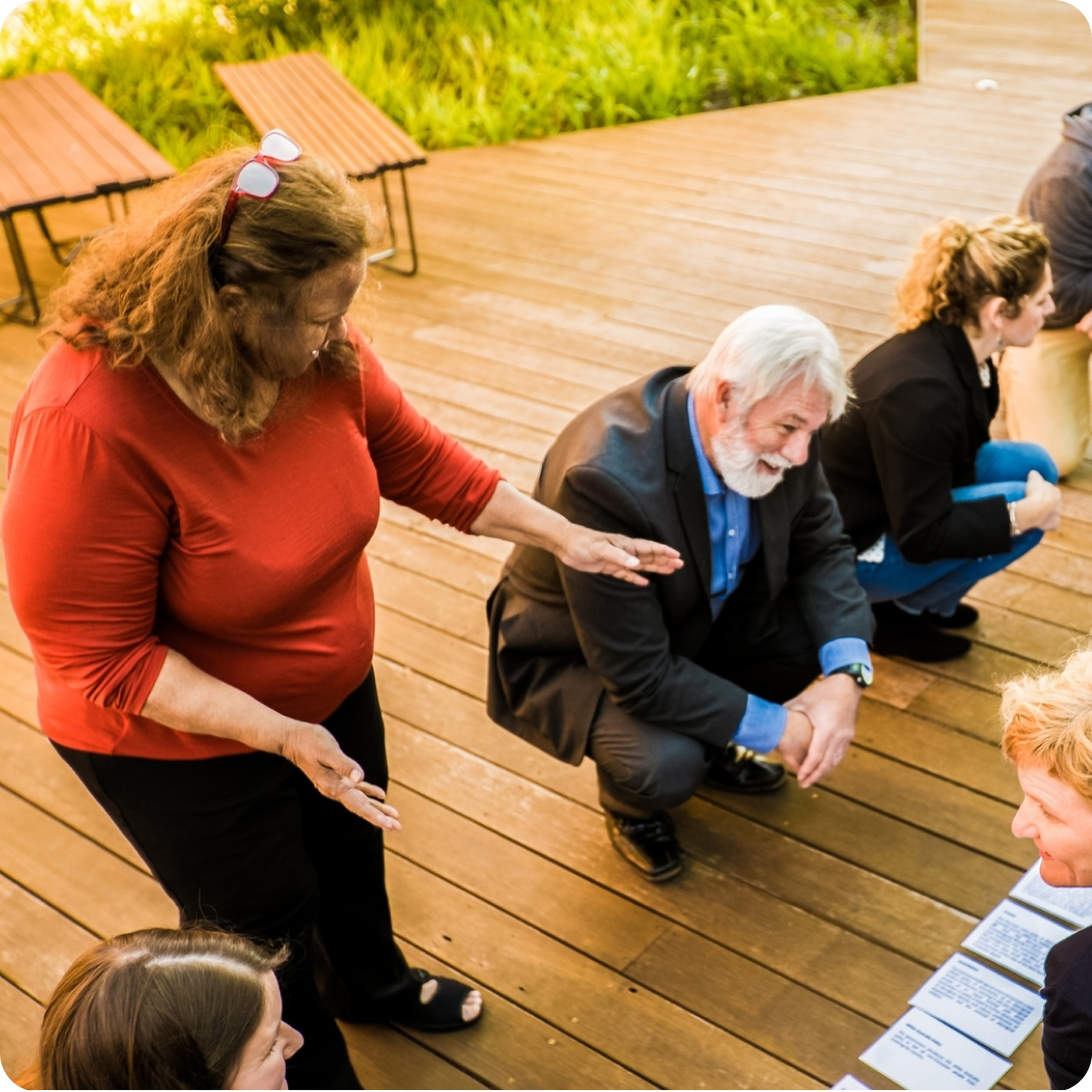
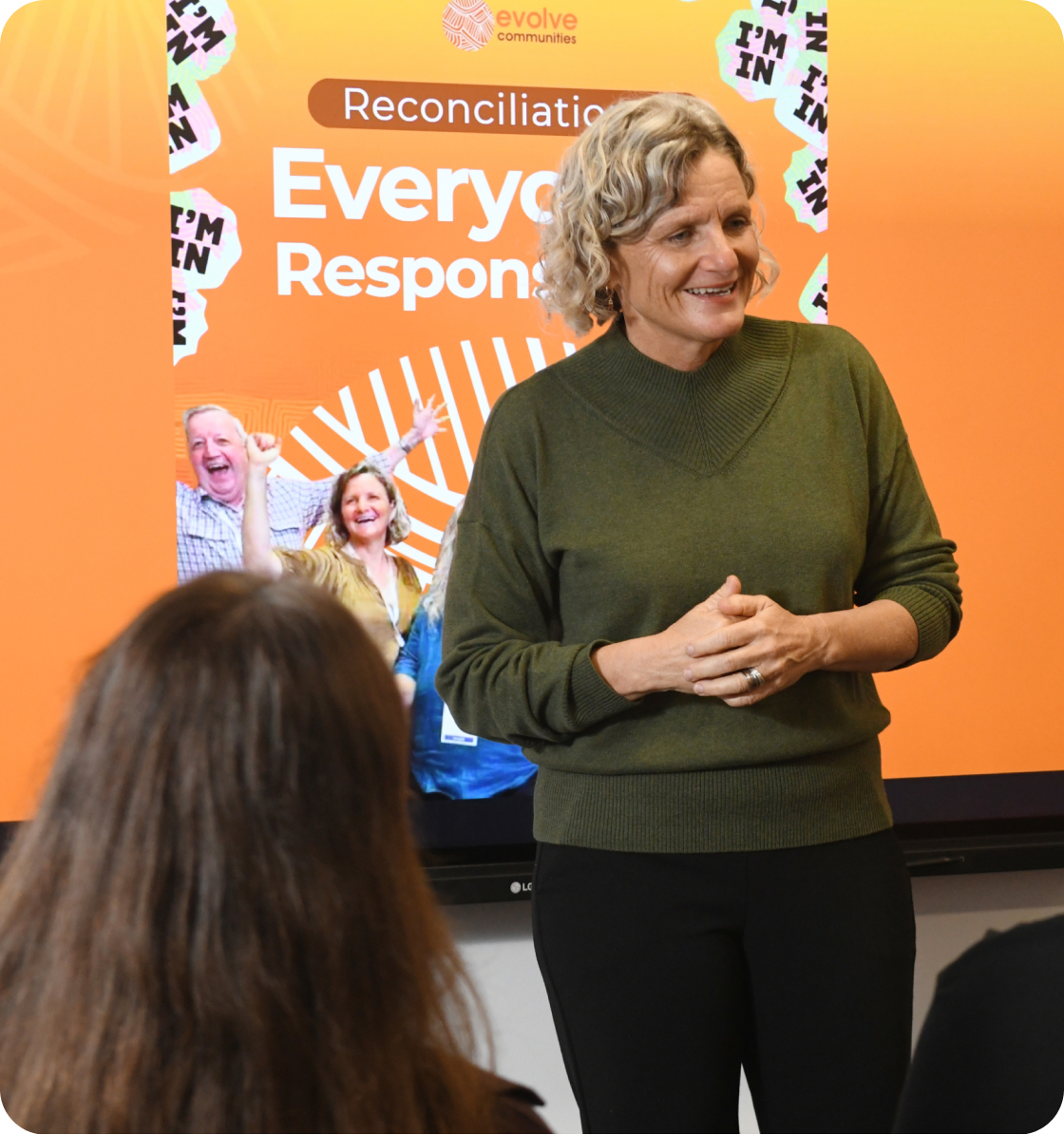
Our workshops bring people together in spaces where genuine dialogue happens. Expert facilitators guide your team through practical exercises that build understanding and create pathways for meaningful action.
- No Blame, No Guilt, No Shame
- Simple Set Up
- Real Transformation
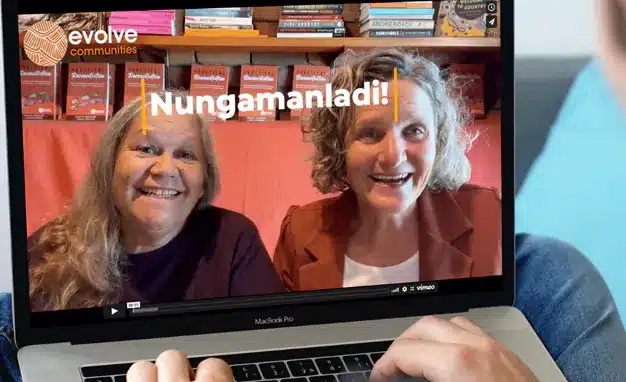
Inspirational Webinars
Evolve Communities provides a wide array of Indigenous cultural awareness webinars led by indigenous facilitators.
Choose from live interactive and prerecorded sessions that have helped businesses, organisations, government bodies, and leadership teams improve their understanding and engagement with people, employees, care recipients, and family members of all ethnicities.
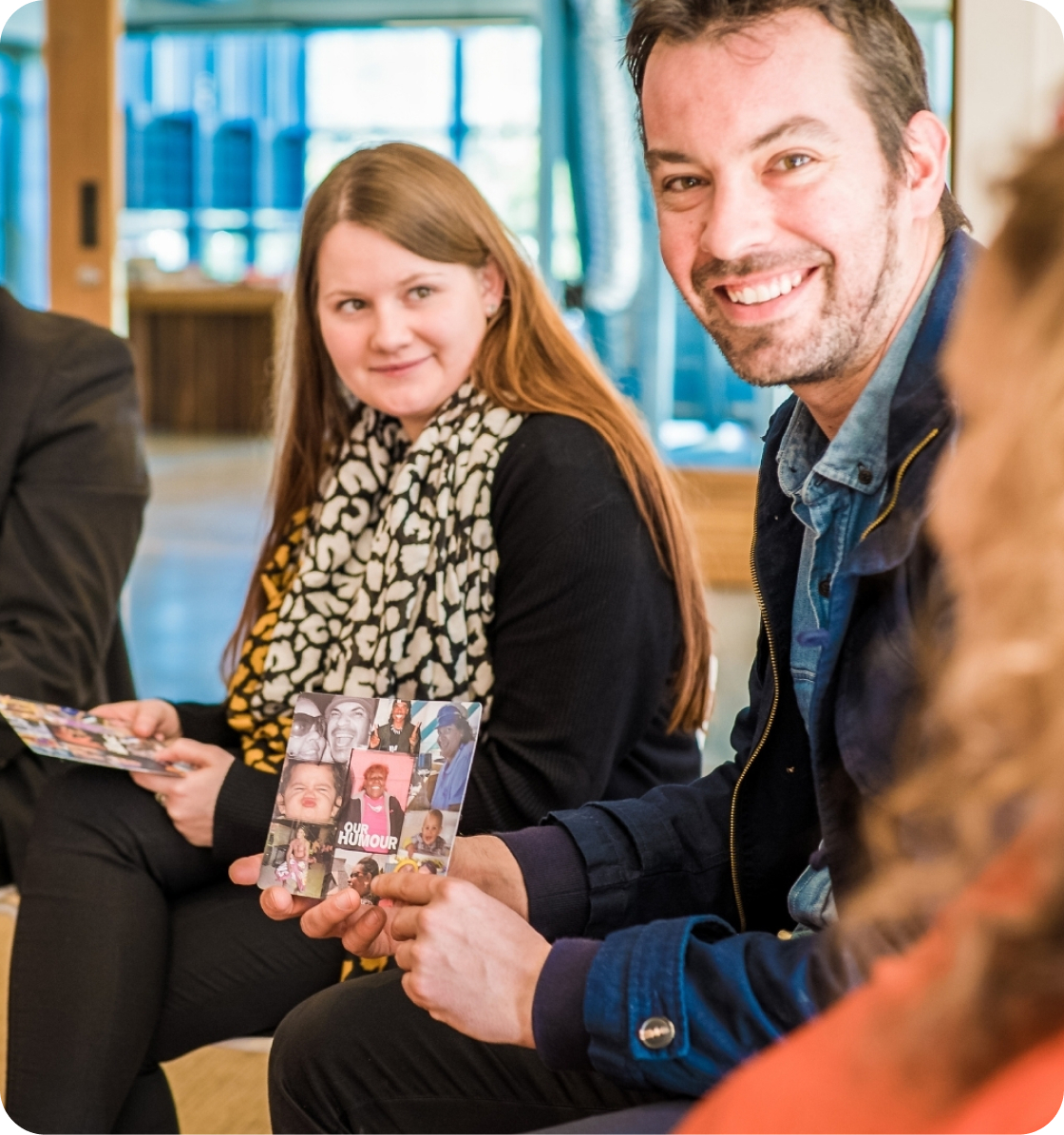
Online Courses
You want to make a difference – and do it well. Whether you’re starting out or deepening existing initiatives, this is your next step.
At Evolve Communities, we’re Australia’s trusted authority in Cultural Awareness Training and Ally Accreditation. Guided by Indigenous cultural wisdom, our 7 Step® frameworks turn intent into practical action – with our no blame, no shame approach.
Scaleable programs can run sequentially or concurrently for different cohorts to create organisation-wide impact.
Leadership Programs
Transformational learning experiences
Online and in-person cultural awareness training for your leadership team, RAP committee or entire organisation – available all capital cities in Australia.
- Flexible delivery formats
- Scalable programs
- Accreditation available
Growing leaders, teams & organisations
Evolve training participants report significant shifts in their understanding and commitment. Organisations see measurable improvements in workplace culture and inclusion. The impact extends beyond training into lasting behavioural change.
Participants satisfaction rate
Participants report increased confidence in Allyship.
Organisations report cultural shift
Teams demonstrate sustained commitment to Reconciliation.
Improved Indigenous employment
Organisations strengthen recruitment & retention practices.






Free resources

Indigenous Calendar
Understanding our shared history is one of Evolve’s 7 Steps to Reconciliation and Allyship®, our tried-and-tested framework for building confidence to show up for…
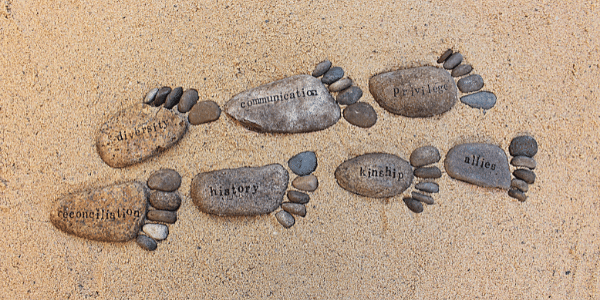
7 Steps to Practical Reconciliation®
You and your team are invited to immerse yourselves in the 7 Steps to Practical Reconciliation®, our tried-and-tested framework for building confidence to work…
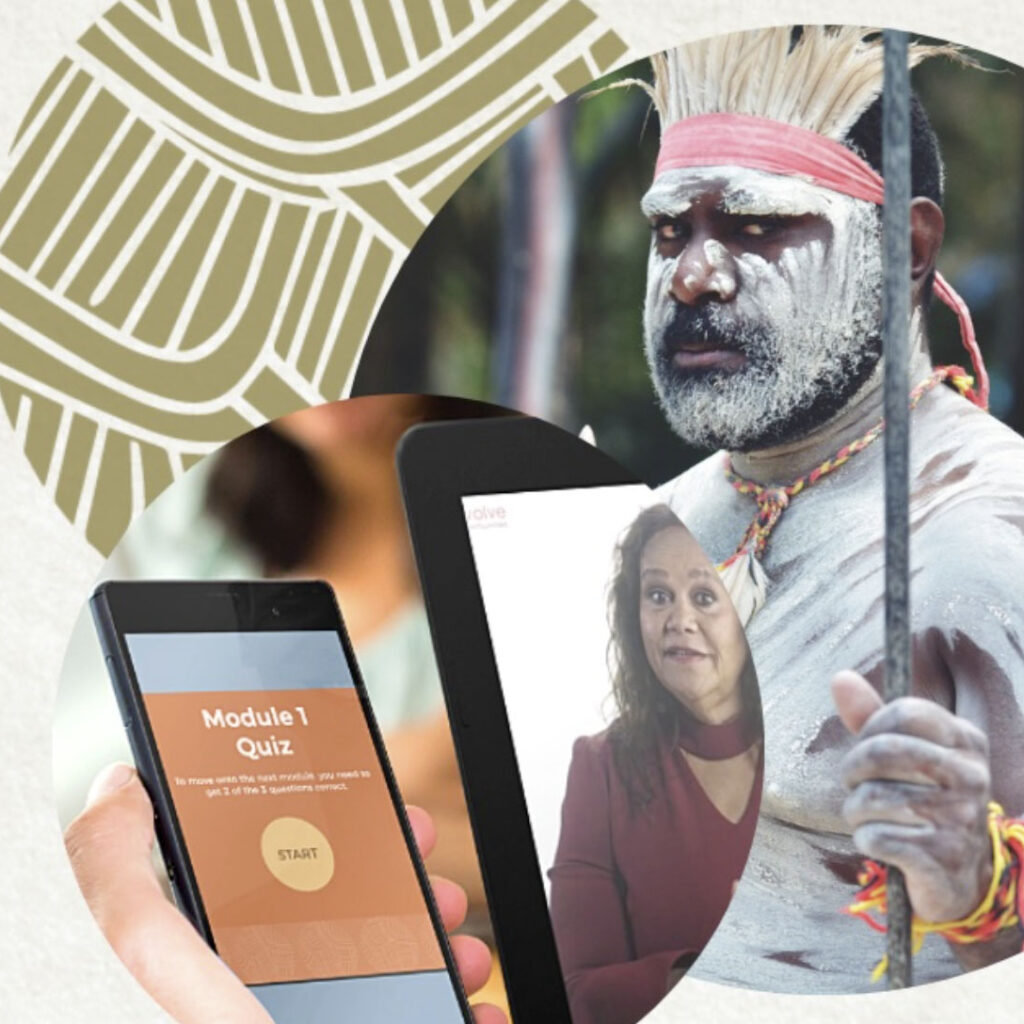
Our Shared History
Most Australians get these ten questions wrong! Whatever your result, we appreciate you taking the time to develop your cultural awareness. Let's get started!
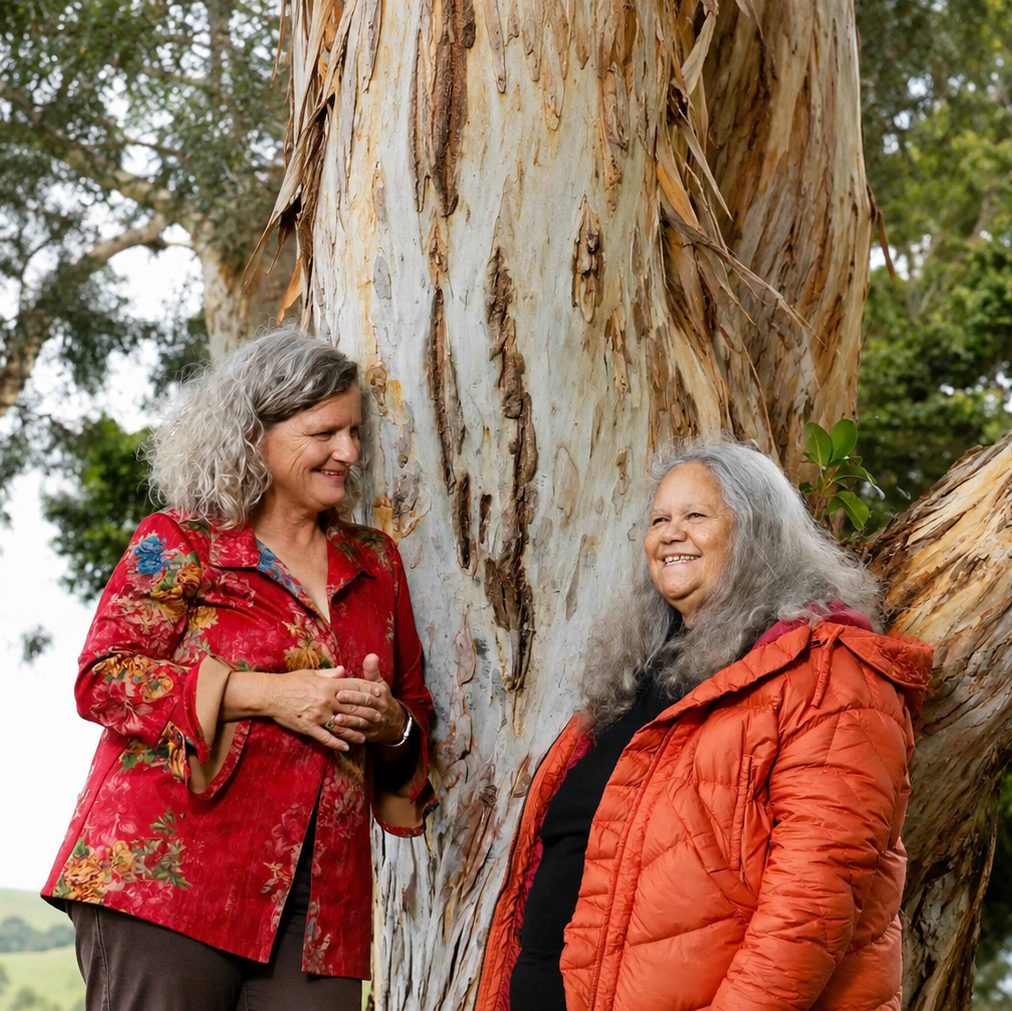
Ask Aunty & Ally
Is there something you’ve always wanted to know about how to be an effective Ally to Aboriginal and Torres Strait Islander people?
Real stories
“I was keen to increase my understanding of Aboriginal and Torres Strait Islander peoples. The Evolve program gave me practical tools and strategies like when and how to give an Acknowledgement of Country. I increased my knowledge in some unexpected areas too, including about privilege. I highly recommend working with Evolve to anyone who values reconciling what has happened in the past and positively impacting how we move forward.”
 Adelaide ThompsonCampaign Unit Manager, Cancer Council NSW
“Working with Evolve has been a great partnership towards increasing our organisational cultural awareness at a national level. The tailored programs are highly interactive and experiential. I have observed our staff walking away with increased levels of confidence, understanding and inspiration and often with the positive exclamation ‘best training ever’.”
 Adrian CheathamAssistant Director, Workplace Diversity Team Australian Taxation Office
“I loved connecting with local Aboriginal people at the Evolve program. Together we are now ‘Taking the Bull by the Horns’ on employment strategies for people with a disability. “
 David GreelyEmployment Connections Manager WorkAbility
“I was asked about why all Aboriginal people drive Valiants. We all laughed, as I explained that Aboriginal people are as diverse as any other and that I drove an MGB sports car. My co-convenor, an older Noongar woman, was relieved that she didn’t get the question as she drove a Valiant! You can imagine the hilarity that followed”.
“As Evolve Communities have taught iAccelerate, Aboriginal Songlines are essentially knowledge networks that enable the communication of ideas to flow back and forth between two or more locations and serves as the perfect model for innovation ecosystems”
FAQs
Straight answers from our facilitators — because building allyship in the workplace starts with understanding it.
What is workplace allyship for First Nations employees, and why does it matter?
Do you need to be Indigenous to practise Indigenous allyship?
What’s the difference between “being an ally” and practising allyship?
What does the 7 Steps to Workplace Allyship® framework cover?
What are some practical ways to start practising First Nations allyship at work?
How does workplace allyship connect to a Reconciliation Action Plan (RAP)?
Does Indigenous allyship training actually change workplace outcomes?
What’s the difference between workplace allyship training and becoming an Accredited Ally?
Ready to lead change?
Book a consultation with our team to explore what’s possible for your organisation.