
National Reconciliation Week Is More Than a Morning Tea
As National Reconciliation Week approaches in less than a week, workplaces across Australia are finalising their plans....
Read MoreYarning Circle Webinars Members Only Live Q&A
Subscribe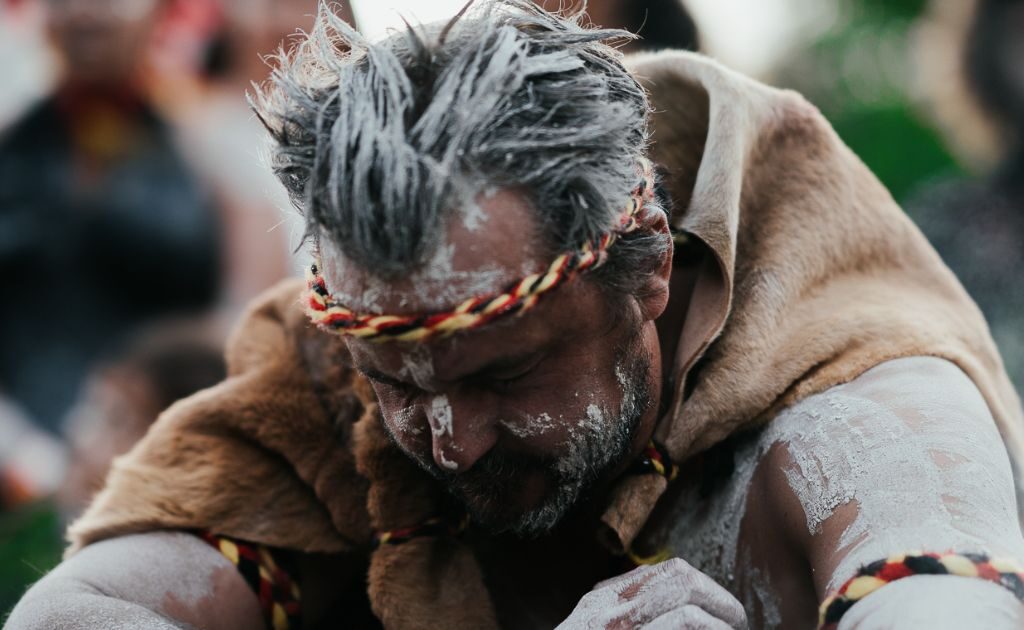
National Sorry Day is an annual event observed on the 26th of May across Australia. Also known as the ‘National Day of Healing,’ it is a chance for communities to come together, remember, and honour the Stolen Generations.
Many Indigenous people may request cultural leave to attend ceremonies, commemorative events, marches, speeches, performances, and concerts. Community organisations, businesses, and local leaders may also wish to participate in or host National Sorry Day events.
First held in 1998, the year after the report was published by The Human Rights and Equal Opportunity Commission, National Sorry Day is a respected event in the cultural calendar. It provides us with a space to listen, learn, and take action, following the legacy of forcible familial separations left by assimilation policy.
The strength of feeling around National Sorry Day is powerful. It reminds us of the ongoing intergenerational trauma connected to the Stolen Generations and the present-day effects of historical injustices. According to the report, at least 100,000 children were removed from their families by local and national governments, many of whom experienced neglect and abuse and have never been reunited with their loved ones.
National Sorry Day is about respect, remembrance, and heritage, but also about the value of Truth Telling. This means that Indigenous people and communities can talk, share stories, record experiences, and reflect on the horrors endured by themselves and previous generations, ensuring past actions are not forgotten or overlooked.
To appreciate the significance of National Sorry Day, we must understand the underlying beliefs and emphasis on acts of respect and acknowledgement surrounding bereavement in First Nations communities.
Bereavement in Aboriginal and Torres Strait Islander communities is known as ‘Sorry Business.’ What is Sorry Business? The phrase refers to the period of mourning following the loss of an Elder, family member, or extended relation, where people attend funerals, activities, ceremonies, and acts of commemoration.
Sorry Business encompasses a wide range of duties, obligations, acts of respect, and ceremonies. First Nations people celebrate the lives and contributions of those who have passed, including those within their communities with whom they have a kinship relationship. This connection extends beyond the sense of family people often have in the Western world.
Communities may observe National Sorry Day in various ways. Many events are inclusive and for all–welcoming non-Indigenous people to attend, participate, or educate themselves about the lived experiences, perspectives, and cultural beliefs of Aboriginal and Torres Strait Islander people within their areas and communities.
It is also necessary to understand that First Nations people may have diverse feelings about National Sorry Day. Some may see it as a day of deep mourning and loss, and others may view the occasion as a day for private remembrance and reflection.
Events often include:
We suggest you contact The Aboriginal Land Council, who may be able to assist if you would like to inquire about whether there is a sorry book near you or wish to begin a sorry book or other National Sorry Day event in your area.
These two national events are different–’sorry’ and ‘apology’ have alternative meanings within Indigenous communities, while we understand that the two words may be confused by some Australians. National Apology Day is held on the 13th of February, marking the anniversary of the date that a formal apology was at last offered to the Stolen Generations and all Aboriginal and Torres Strait Islander people.
National Sorry Day, on the 26th of May, invites all Australians to do Sorry Business by recognising the death, loss of family, cultural harms and diminishment suffered by Indigenous people over the centuries since colonisation began in 1788, although often specifically focused on the Stolen Generations.
As National Reconciliation Week approaches in less than a week, workplaces across Australia are finalising their plans....
Read More
As National Reconciliation Week approaches, many organisations are asking the same question: “How do we engage the...
Read More
National Reconciliation Week is approaching, and many workplaces are beginning to finalise their plans. Last week, we...
Read More