Acknowledgement of Country
Learn the foundations of respectful practice in under an hour. This webinar equips your team with the knowledge and confidence to acknowledge Country authentically in any setting.
Love and Acknowledge Country with Authenticity and Confidence
Bring your team or entire organisation together for an inspiring and interactive acknowledgement of country learning experience with Aboriginal Elder, Aunty Munya Andrews and experienced Ally, Carla Rogers.
In this 60-minute live webinar, you and your team will:
- The differences between a Welcome to Country & an Acknowledgement of Country.
- Significance of Country and why these protocols matter to First Nations people.
- Discover your connection to Country.
- Workshop your own Authentic Acknowledgement.
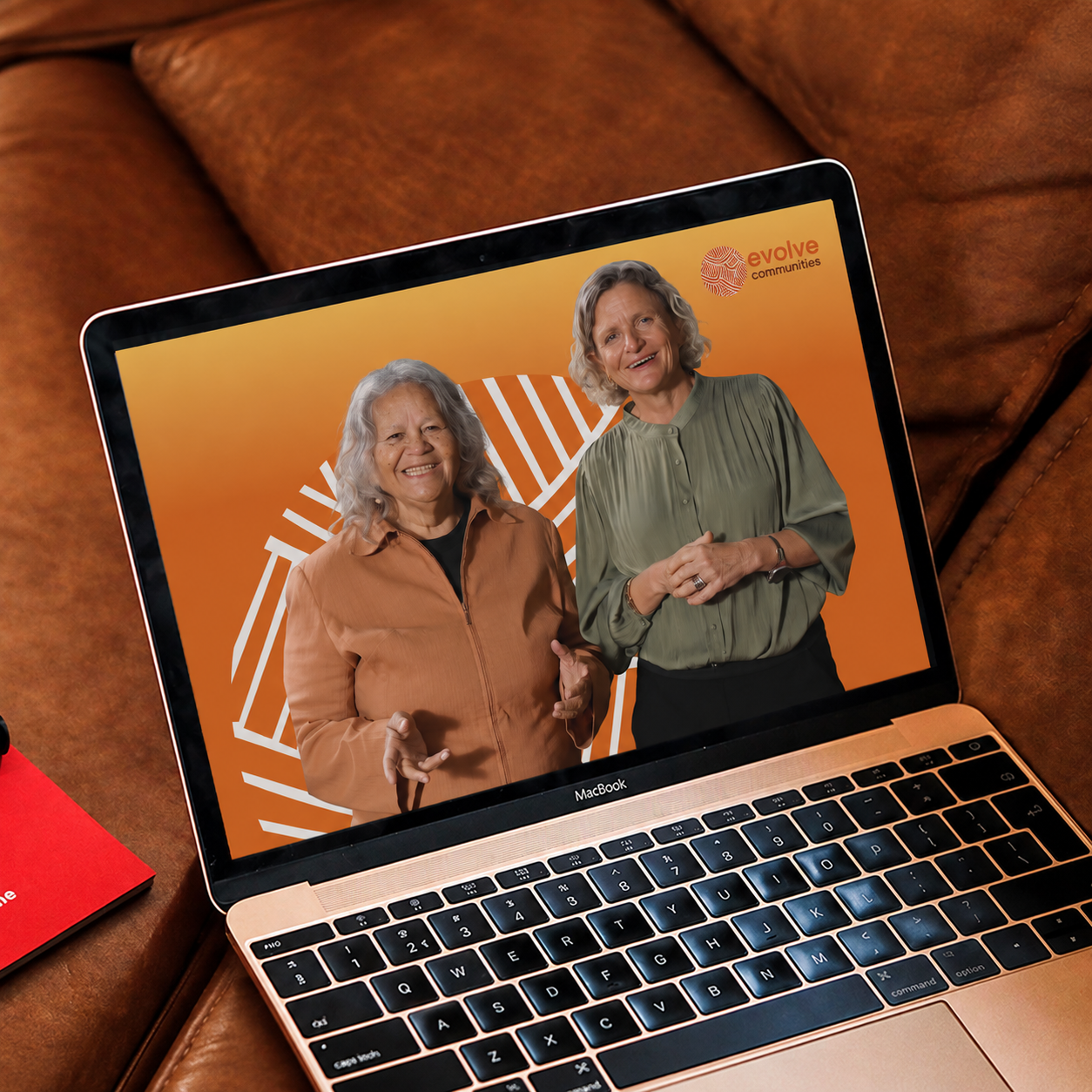






Meet the experts
Our presenters bring lived experience and deep knowledge to every session.
Together they model Allyship, wrote the highly regarded book, Practical Reconciliation and are co-Directors of Cultural Awareness Training business, Evolve Communities. They created their cultural awareness training programs to share their love of Indigenous culture and to facilitate Reconciliation and Allyship
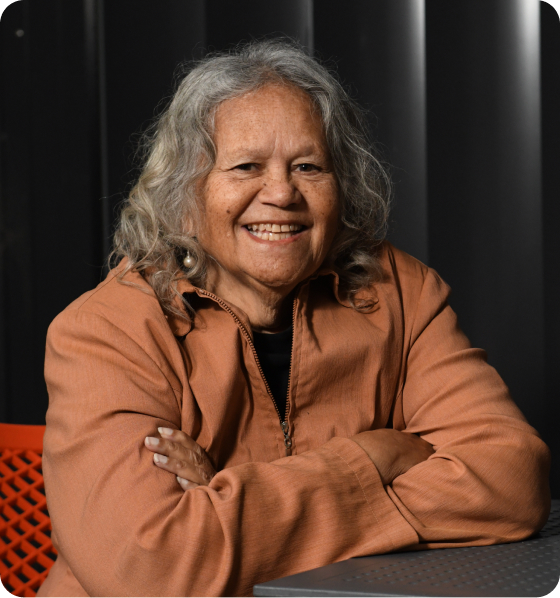
Aunty Munya Andrews
Director, Aboriginal Elder & Educator
Aunty Munya is an Aboriginal Elder originally from the Kimberly region of WA. A renowned speaker and author, with degrees in anthropology and law, she is sought after for her wisdom, wit and cultural knowledge.
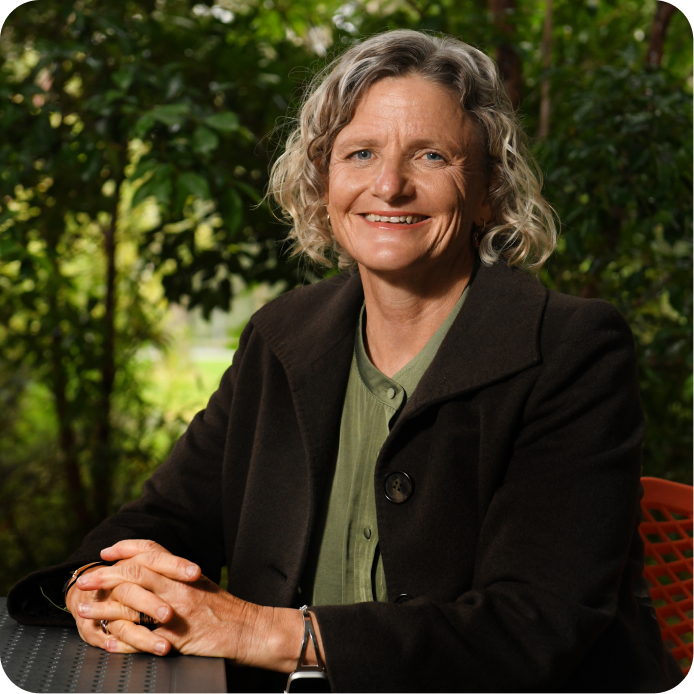
Carla Rogers
Founder, Director, Learning Designer, Ally
A Churchill Fellowship in 2001 led to Carla founding Evolve Communities in 2005, before joining forces with Aunty Munya in 2011 to focus on building communities of Allies to help close the gap between Indigenous & non-Indigenous Australians.
Real stories
“I was keen to increase my understanding of Aboriginal and Torres Strait Islander peoples. The Evolve program gave me practical tools and strategies like when and how to give an Acknowledgement of Country. I increased my knowledge in some unexpected areas too, including about privilege. I highly recommend working with Evolve to anyone who values reconciling what has happened in the past and positively impacting how we move forward.”
 Adelaide ThompsonCampaign Unit Manager, Cancer Council NSW
“Working with Evolve has been a great partnership towards increasing our organisational cultural awareness at a national level. The tailored programs are highly interactive and experiential. I have observed our staff walking away with increased levels of confidence, understanding and inspiration and often with the positive exclamation ‘best training ever’.”
 Adrian CheathamAssistant Director, Workplace Diversity Team Australian Taxation Office
“I loved connecting with local Aboriginal people at the Evolve program. Together we are now ‘Taking the Bull by the Horns’ on employment strategies for people with a disability. “
 David GreelyEmployment Connections Manager WorkAbility
“I was asked about why all Aboriginal people drive Valiants. We all laughed, as I explained that Aboriginal people are as diverse as any other and that I drove an MGB sports car. My co-convenor, an older Noongar woman, was relieved that she didn’t get the question as she drove a Valiant! You can imagine the hilarity that followed”.
“As Evolve Communities have taught iAccelerate, Aboriginal Songlines are essentially knowledge networks that enable the communication of ideas to flow back and forth between two or more locations and serves as the perfect model for innovation ecosystems”

Inspire Allyship, Demonstrate Leadership, & Support Reconciliation to Make a Difference
More than just housekeeping at the start of your meetings or events, an authentic Acknowledgement of Country is a powerful and inspiring act of leadership, Allyship, and Reconciliation. Equally, it can be a daily practice in the workplace and at home, supporting your personal love for and connection to Country.
This acknowledgement of country training will:
- Support Reconciliation in your workplace
- Inspire Allyship, inclusivity, and belonging
- Increase cultural awareness throughout your organisation
- Create cultural safety for your Torres Strait Islander and Aboriginal employees
- Bring your team closer to Country and each other through respect and understanding
Designed to be fun and interactive, you’ll get insights during the acknowledgement of country training from an Aboriginal Elder and experienced Ally with plenty of time to ask any questions.
Deepen your understanding

National Reconciliation Week Is More Than a Morning Tea
As National Reconciliation Week approaches in less than a week, workplaces across Australia are finalising their plans. There may be a book club,…
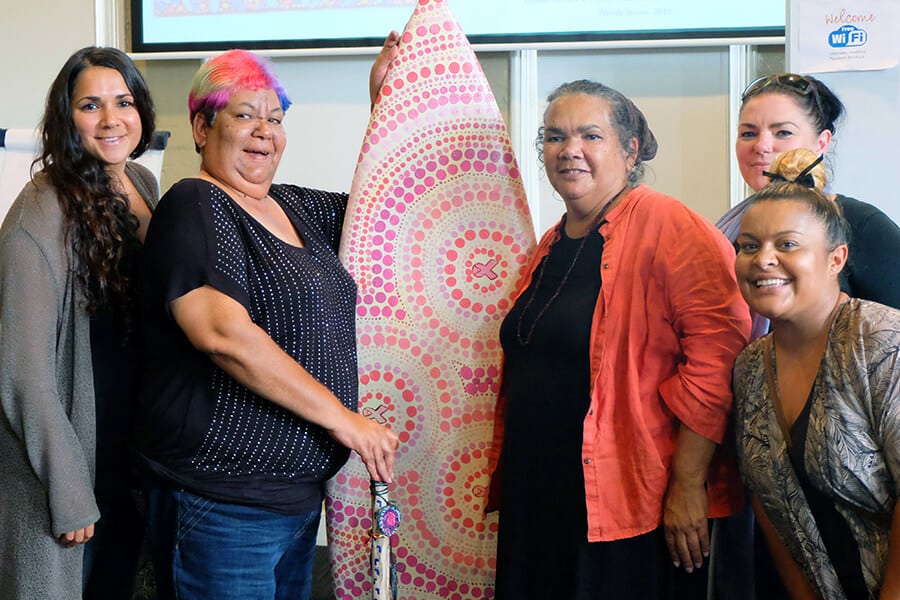
Evolve And Cancer Council NSW
The gap in cancer rates for Indigenous people is alarming. Aboriginal peoples are 60% more likely to die from cancer. Indigenous mortality rates from…
Partnering With The Australian Department of Environment & Energy
Aboriginal and Torres Strait Islander people partnering with Partnering With The Australian Department of Environment and Energy play a key role in protecting and…
NAIDOC 2017 – Why Languages Matter (Episode 1)
Can you speak Kookaburra to a snake in Tamarama? Did you know that before European invasion there were as many as 250 distinct Indigenous…

Journey into the Dreamtime
A popular question during our cultural awareness training is ‘What is Aboriginal Dreamtime?’ This is a bit like asking ‘What is Christianity?’ or ‘What…
FAQs
Our facilitators have cheerfully answered everything – this is a safe space for learning.
What is an Acknowledgement of Country
What’s the difference between a Welcome to Country and an Acknowledgement of Country?
An Acknowledgement of Country is provided by the visitor. It is a way of showing respect to the Traditional Owners and thanking them for being able to live and work on their ancestral land.
Can anyone do an Acknowledgement of Country?
Why should I do an Acknowledgement of Country?
When should I do an Acknowledgement of Country?
You can also Acknowledge Country privately; in your home, while you are out walking, when you are traveling through Australia, and anytime you feel inspired.
What is the correct way to do an Acknowledgement of Country?
1. Wherever possible you should find out the names of the Traditional Owners of the local aboriginal land you are on. Learn the correct way to pronounce their name and acknowledge them specifically. If it’s not clear or is disputed, you can do a general acknowledgment of the Traditional Owners.
2. Also acknowledge any Aboriginal or Torres Strait Islander people present.
3. Pay your respects to Elders, past and present, but do not state names of the dead. Some people acknowledge emerging Elders too – this is optional.
4. Be sincere in your Acknowledgment. Take a breath and speak from the heart.
Supporting Resources:
2. Aboriginal Elder, Aunty Munya Andrews and experienced Ally, Carla Rogers provide further inspiration and advice in this Ask An Ally video:
3. Download our guide to Acknowledging Country.