Find Accredited Allies
Connect with professionals who have earned their
commitment to cultural awareness and Reconciliation.
Accredited Professionals Registry
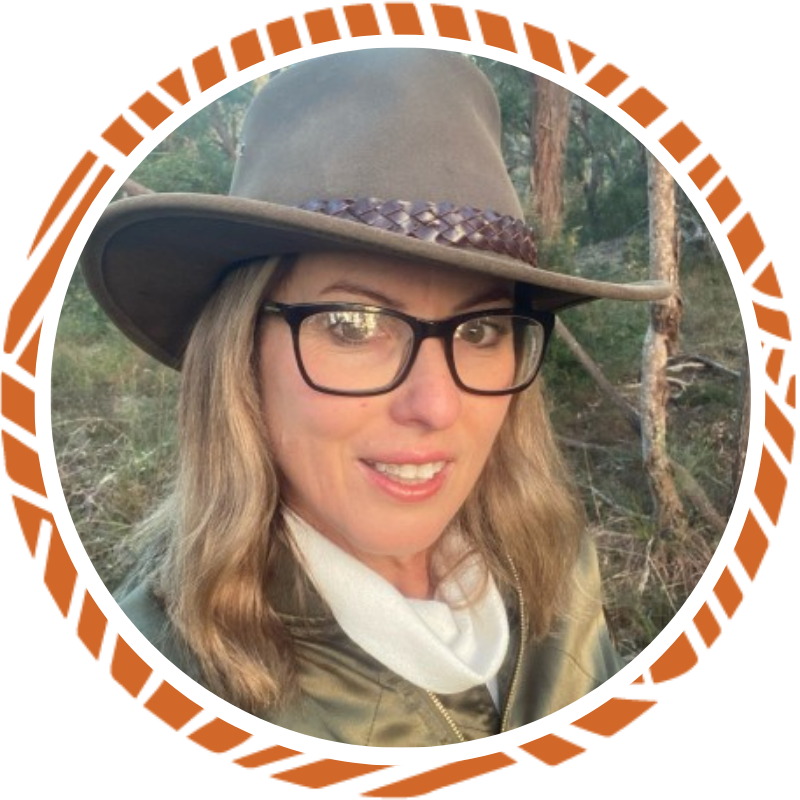





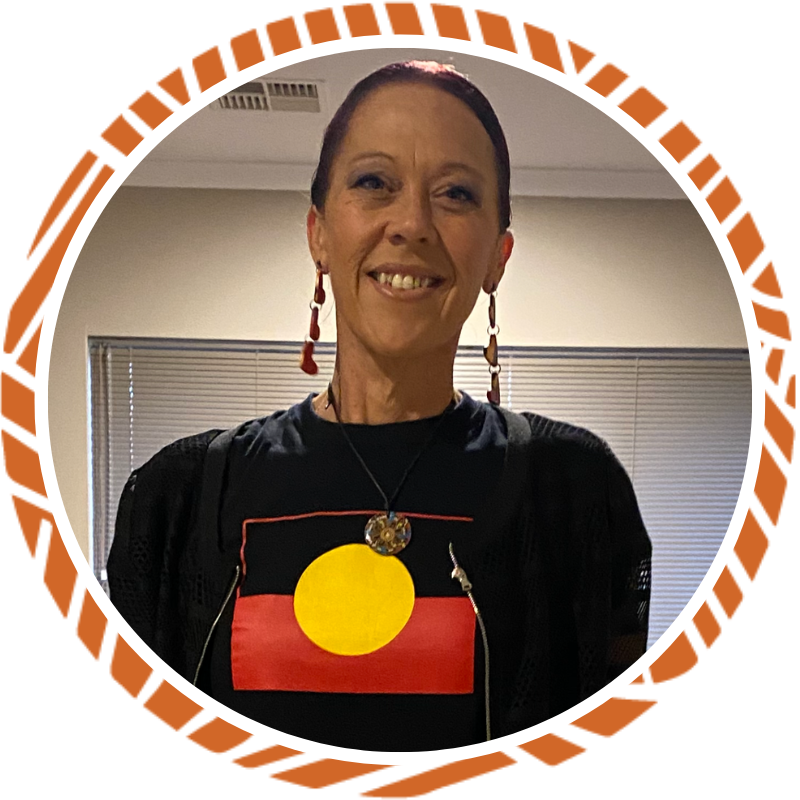

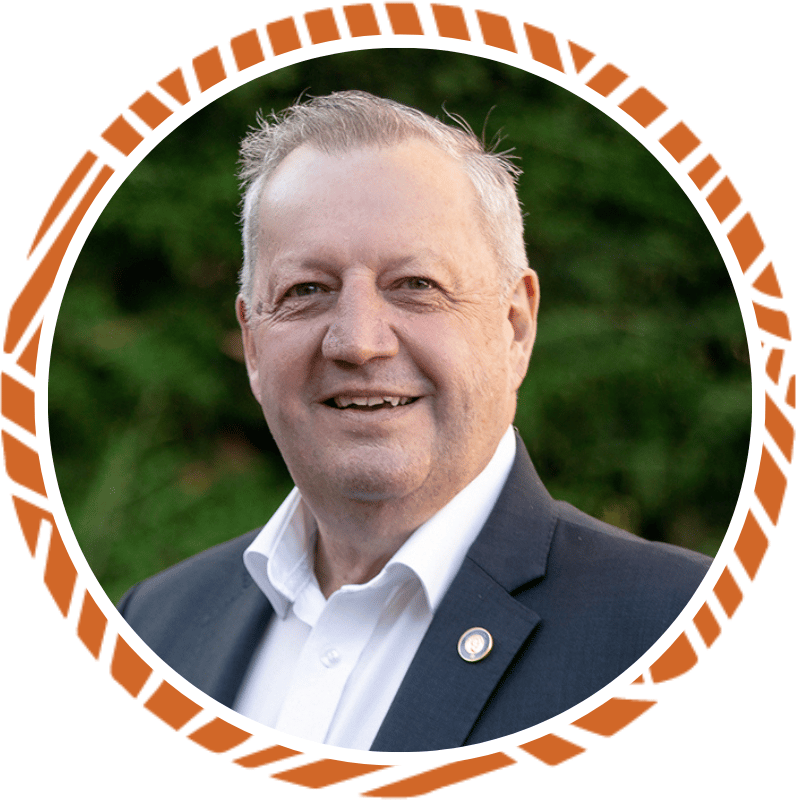
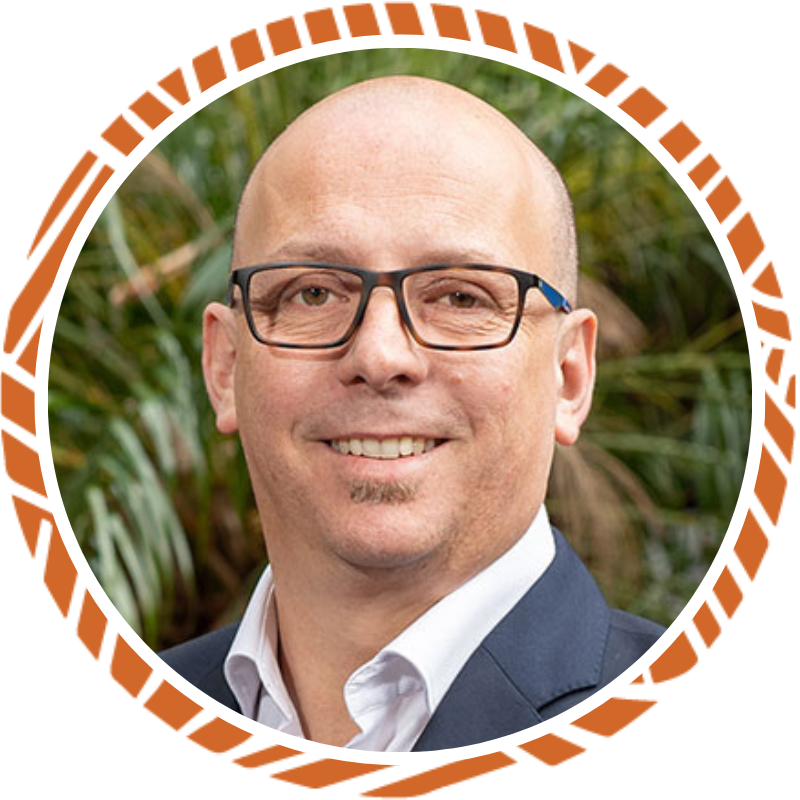
Anthony Raitman
Executive Director
Accredited: September 2024






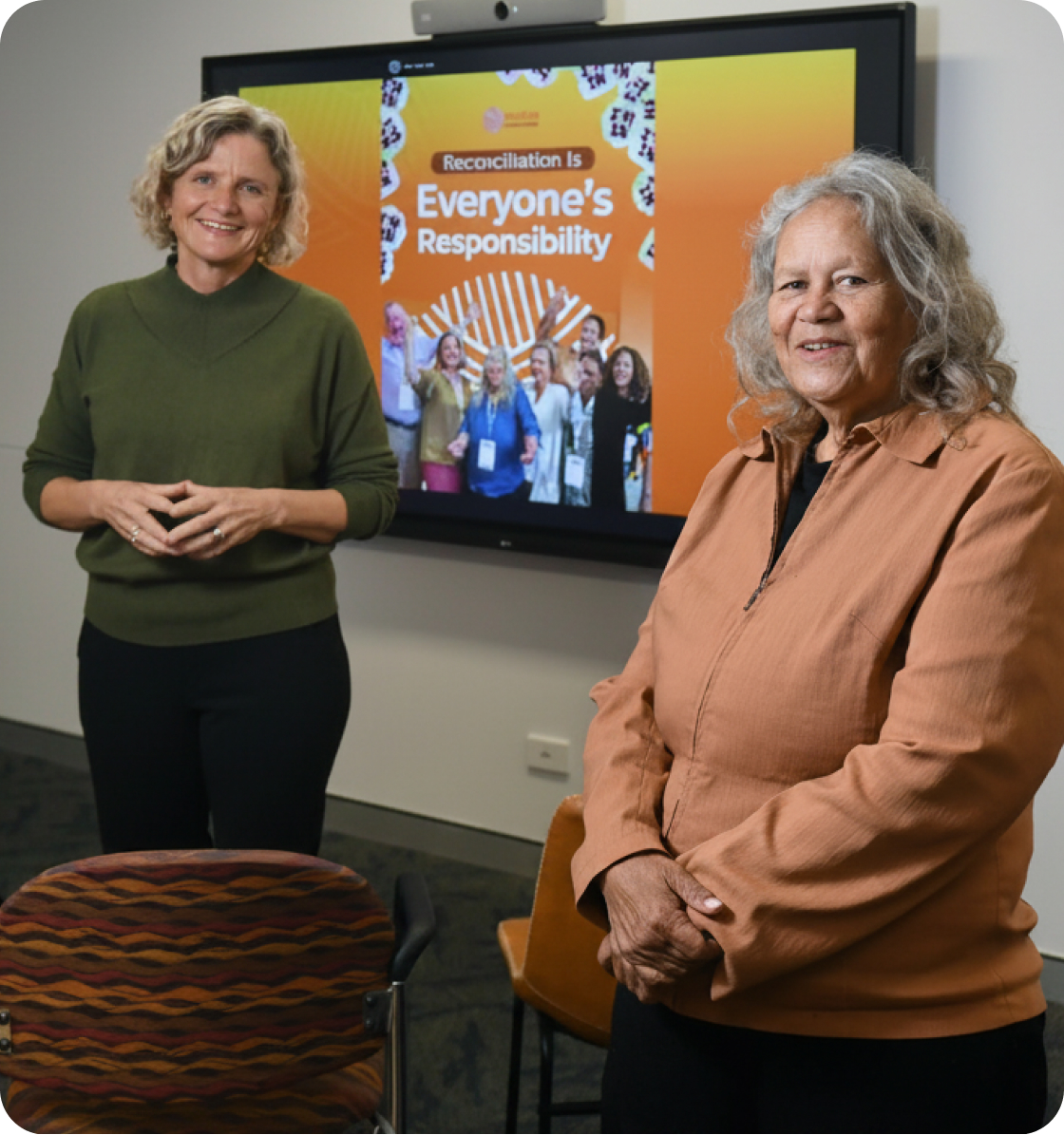
Become an Accredited Ally
For professionals seeking a recognised qualification in Cultural Competency, Reconciliation, and Allyship.
Accredited Allies demonstrate the internal skills, awareness, and confidence to meaningfully support
and engage with Aboriginal and Torres Strait Islander peoples and communities.
FAQs
Lorem ipsum dolor sit amet, consectetur adipiscing elit. Suspendisse varius enim in eros elementum.
test
What are the business benefits of improving Aboriginal and Torres Strait Islander cultural competence?
Studies have shown the business case for diversity, equity, and inclusion is stronger than ever and the most inclusive organisations are also the most profitable! In Australia, it’s not possible to be an inclusive organisation if your employees lack cultural competency.
Our Cultural Competence training focuses on Aboriginal and Torres Strait Islander cultural awareness and can help your organisation to:
– Effectively engage and develop meaningful professional relationships with Aboriginal and Torres Strait Islander people, communities, and organisations.
– Attract, develop, and retain Indigenous talent to create a dynamic, diverse, and high-performance workplace.
– Safeguard your brand against the reputational damage that can result from cultural misunderstandings.
– Understand, develop, and champion a Reconciliation Action Plan that delivers positive change.
– Develop leadership skills with Evolve’s tried-and-tested R3 communication and conflict resolution framework.
– Create a culturally safe and inclusive workplace, where everyone belongs.
Our Cultural Competence training focuses on Aboriginal and Torres Strait Islander cultural awareness and can help your organisation to:
– Effectively engage and develop meaningful professional relationships with Aboriginal and Torres Strait Islander people, communities, and organisations.
– Attract, develop, and retain Indigenous talent to create a dynamic, diverse, and high-performance workplace.
– Safeguard your brand against the reputational damage that can result from cultural misunderstandings.
– Understand, develop, and champion a Reconciliation Action Plan that delivers positive change.
– Develop leadership skills with Evolve’s tried-and-tested R3 communication and conflict resolution framework.
– Create a culturally safe and inclusive workplace, where everyone belongs.
Does Evolve offer online cultural competence courses?
Yes! All of our Cultural Competency training can be delivered online. Our 7-Steps On-Demand Cultural Awareness Training Course is the most accessible starting place to develop cultural awareness and inspire Allyship throughout your organisation. Our Yarning Webinars provide options to deepen understanding of specific topics and we also offer online Yarning Circles, RAP Coaching, and Allyship Accreditation for your management teams and RAP committee. You can explore our cultural education training programs here.
Does Evolve offer in-person cultural awareness training?
Yes! We’ll come to your place of business in any major city in Australia. Our Yarning Circle Workshops are delivered by our Accredited Facilitator team, one Indigenous and one non-Indigenous, modelling Allyship. Let us take your leaders, managers, HR team or RAP committee (up to 30 people) on an immersive journey through the 7 Steps to Reconciliation and Allyship™. Learn more about our in-person workshops here.
Does the online cultural competence training offer the same thing as in-person workshops?
Yes! Our online cultural competence training programs offer the same information and services as in-person workshops. Our Co-Director Carla Rogers is an award winning learning designer who was teaching others how to deliver effective online courses long before COVID forced us all to adapt. Evolve has been offering online solutions for years. As such we can guarantee the same level of engagement and effectiveness whether you opt to receive our facilitator-led training remotely or in-person.
Is it okay to just say “Aboriginal cultural awareness training”?
Aboriginal and Torres Strait Islander peoples are the first inhabitants of Australia.
Aboriginal people comprise diverse Aboriginal nations, each with their own language and traditions and have historically lived on mainland Australia, Tasmania, or on many of the continent’s offshore islands.
Torres Strait Islander peoples come from the islands of the Torres Strait, between the tip of Cape York in Queensland and Papua New Guinea. Torres Strait Islanders are of Melanesian origin with their own distinct identity, history, and cultural traditions. Many Torres Strait Islanders live on mainland Australia.
If you only talk about Aboriginal cultural awareness, you are leaving out Torres Strait Islander peoples who are also Indigenous Australians.
An important way to show respect is to use the right terms when referring to Indigenous people. Terms that are okay to use are: Aboriginal and Torres Strait Islander peoples, First peoples, Indigenous Australians, First Nations, or First Australians.
It is respectful to use “people” or “peoples” after the terms “Aboriginal” and “Torres Strait Islander” and to always capitalise.
Aboriginal people comprise diverse Aboriginal nations, each with their own language and traditions and have historically lived on mainland Australia, Tasmania, or on many of the continent’s offshore islands.
Torres Strait Islander peoples come from the islands of the Torres Strait, between the tip of Cape York in Queensland and Papua New Guinea. Torres Strait Islanders are of Melanesian origin with their own distinct identity, history, and cultural traditions. Many Torres Strait Islanders live on mainland Australia.
If you only talk about Aboriginal cultural awareness, you are leaving out Torres Strait Islander peoples who are also Indigenous Australians.
An important way to show respect is to use the right terms when referring to Indigenous people. Terms that are okay to use are: Aboriginal and Torres Strait Islander peoples, First peoples, Indigenous Australians, First Nations, or First Australians.
It is respectful to use “people” or “peoples” after the terms “Aboriginal” and “Torres Strait Islander” and to always capitalise.
How can I help improve cultural competence in Australia?
Congratulations, you have already begun! Educating ourselves and others is the first step towards creating a more culturally aware, kind, and inclusive Australia.
We invite you to enjoy and share our many free educational resources:
Read our Cultural Awareness blog and subscribe to our newsletter
Download the 2024 Calendar of Significant Indigenous Dates
Ask Aunty Munya any question about Aboriginal people and culture
Do the Indigenous Cultural Awareness Quiz
Take The Online Privilege Walk
Learn what the Aboriginal Flag represents
If you are ready to take your commitment further as an individual, we encourage you to read our book, Practical Reconciliation and join the Evolve Webinar Subscription.
For those seeking a professional qualification, consider becoming an Evolve Accredited Ally.
We invite you to enjoy and share our many free educational resources:
Read our Cultural Awareness blog and subscribe to our newsletter
Download the 2024 Calendar of Significant Indigenous Dates
Ask Aunty Munya any question about Aboriginal people and culture
Do the Indigenous Cultural Awareness Quiz
Take The Online Privilege Walk
Learn what the Aboriginal Flag represents
If you are ready to take your commitment further as an individual, we encourage you to read our book, Practical Reconciliation and join the Evolve Webinar Subscription.
For those seeking a professional qualification, consider becoming an Evolve Accredited Ally.