Closing the Gap: What Does Joy Have to Do With Reconciliation?
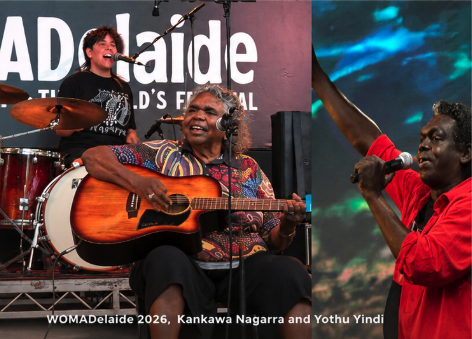
I’ve just returned from WOMADelaide where I arrived carrying what many people seem to be feeling this...
Read MoreYarning Circle Webinars Members Only Live Q&A
Subscribe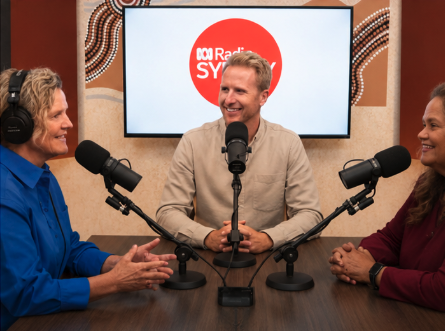
Over the past few weeks, we have been listening closely to the many questions arising regarding Closing the Gap. One major theme continues to emerge:
Often, good intentions alone are not enough to create cultural safety. It is built through everyday behaviour, the language used, and a genuine willingness to keep learning.
Recently, Aunty Munya Andrews and I joined Hamish Macdonald on ABC Radio to discuss how to navigate tough conversations. We shared a practical framework from Evolve Communities known as R3 Culture: Reflect, Relate, Reconcile.
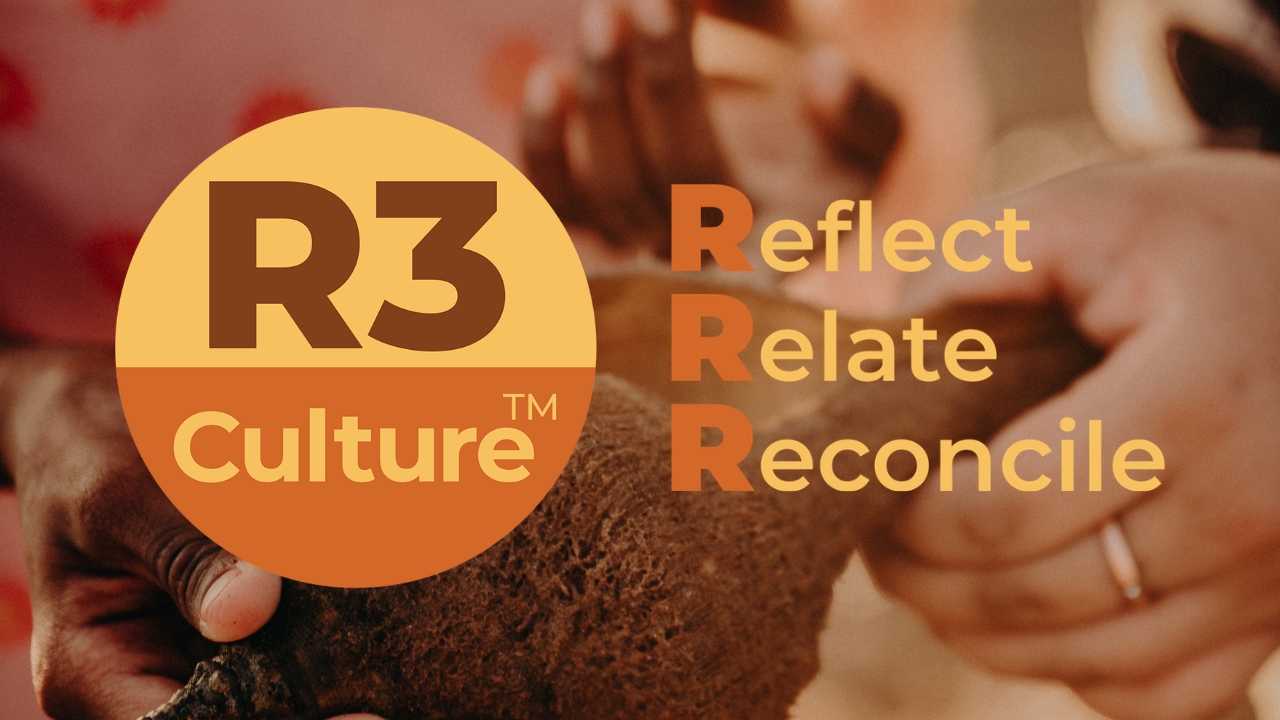
The R3 approach is a practical way to stay grounded, reduce negative impacts, and keep moving forward together.
Reflect means identifying the issue and testing your assumptions before you speak.
Key Questions: What am I assuming here? What do I actually know? What do I need to learn first?
Relate means staying curious about another person’s perspective without judgment or shaming.
In the workplace, defensiveness shuts down learning, while curiosity keeps the door open.
Reconcile means choosing an action that reduces harm and cultural load, then checking the impact.
Allyship is a lifelong learning journey. The goal is not to be “perfect”, but to stay accountable and keep learning.
A situation we often hear in senior leadership sessions goes like this:
We don’t have an issue here. We’re culturally safe. Our First Nations team members are happy.
A gentle next question is: How do you know?
Have you asked First Nations staff whether they feel culturally safe in the room with your leaders or yourself present? Have you measured it, or are you assuming?
Training can be a strong step, but training alone is not proof of cultural safety. Cultural safety is experienced by the person, not declared by the organisation.
If Closing the Gap feels complex or you worry about getting it wrong, start with one small, practical shift:
And if you have a workplace “freeze moment” you’d like help navigating, write it down. These real moments are where cultural safety is built.
I’ve just returned from WOMADelaide where I arrived carrying what many people seem to be feeling this...
Read More
👉 [Register Here: Closing the Gap Webinar | 18 March 2026] Join Aunty Munya & Carla Rogers...
Read More