
National Reconciliation Week Is More Than a Morning Tea
As National Reconciliation Week approaches in less than a week, workplaces across Australia are finalising their plans....
Read MoreYarning Circle Webinars Members Only Live Q&A
Subscribe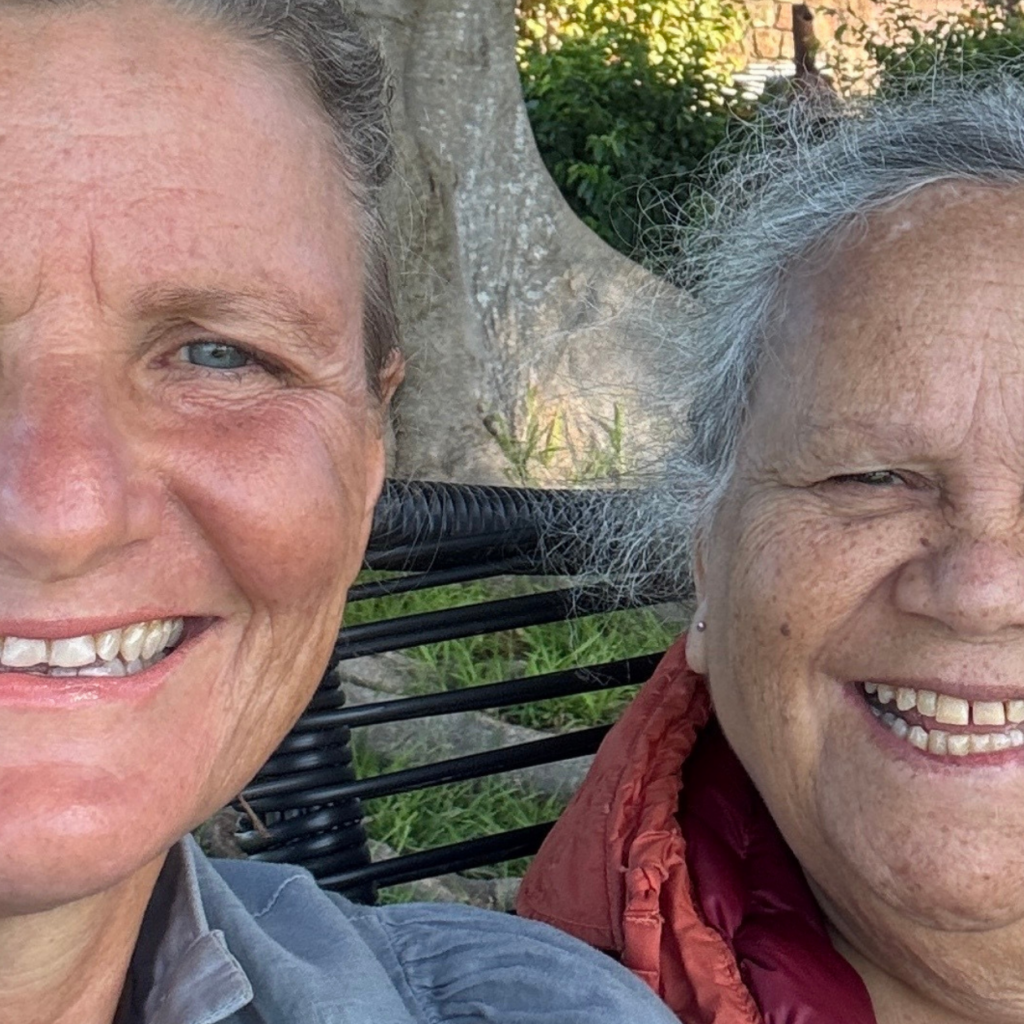
Have you ever come across a concept you hadn’t heard of before to then feel a bit silly when you realise that it’s gone viral and everyone else seems to be talking about it? That’s exactly how I felt when I recently stumbled upon Mel Robbins’ Let Them Theory.
I’ll admit, I was resistant at first! One reason was that it felt “too mainstream” (a bias I had to confront!). The theory also seemed like a re-packaging of ideas from Buddhism, Stoicism, Detachment Theory, and Byron Katie’s The Work.
But after reading it, I realised Robbins’ brilliance lies in making these timeless concepts simple and accessible.
So, what does the ‘Let Them’ theory have to do with the challenges we face today as Allies to First Nations peoples? There are many parallels with Evolve’s R3 Culture Approach: Reflect, Relate, Reconcile – a framework for having hard yarns and building sustainable Allyship.
The Let Them Theory teaches that accepting what you can’t control – allowing others to act as they will, frees you to focus on managing your responses and taking action where you do have control. It’s a concept deeply aligned with acceptance and responsibility.
Some critics worry the theory could promote passivity in the face of harmful behaviours, like racism. But this misses the point: the “Let Me” aspect – personal responsibility – is the heart of it (maybe the theory could have been called ‘Let Them and Let Me’ to avoid this point being missed).
With everything happening globally and in Australia – the outcome of the Referendum, ongoing conversations (and attacks) on the value of diversity and inclusion – it’s easy to feel overwhelmed and burnt out. But burnout doesn’t come from caring too much. It often comes from feeling powerless.
That’s why balancing “Let Them” and “Let Me” is crucial. While Australia has made progress, we’re still falling behind in key areas, meeting only 5 of 19 targets for Closing the Gap. Issues like suicide rates, incarceration, and children in out-of-home care require sustained action and genuine partnerships.
As Aunty Munya says: “We need you Allies now more than ever.” There are many things we can do to make change. By applying our R3 Culture Approach – Reflect, Relate, Reconcile, you can build resilience and create meaningful impact. If you’re ready to explore the Secret to Allyship without burnout and to support Closing the Gap, join us for our next webinar.
As National Reconciliation Week approaches in less than a week, workplaces across Australia are finalising their plans....
Read More
As National Reconciliation Week approaches, many organisations are asking the same question: “How do we engage the...
Read More
National Reconciliation Week is approaching, and many workplaces are beginning to finalise their plans. Last week, we...
Read More