Closing the Gap at work: Do Not Give Up Listening
👉 [Register Here: Closing the Gap Webinar | 18 March 2026] Join Aunty Munya & Carla Rogers...
Read MoreYarning Circle Webinars Members Only Live Q&A
Subscribe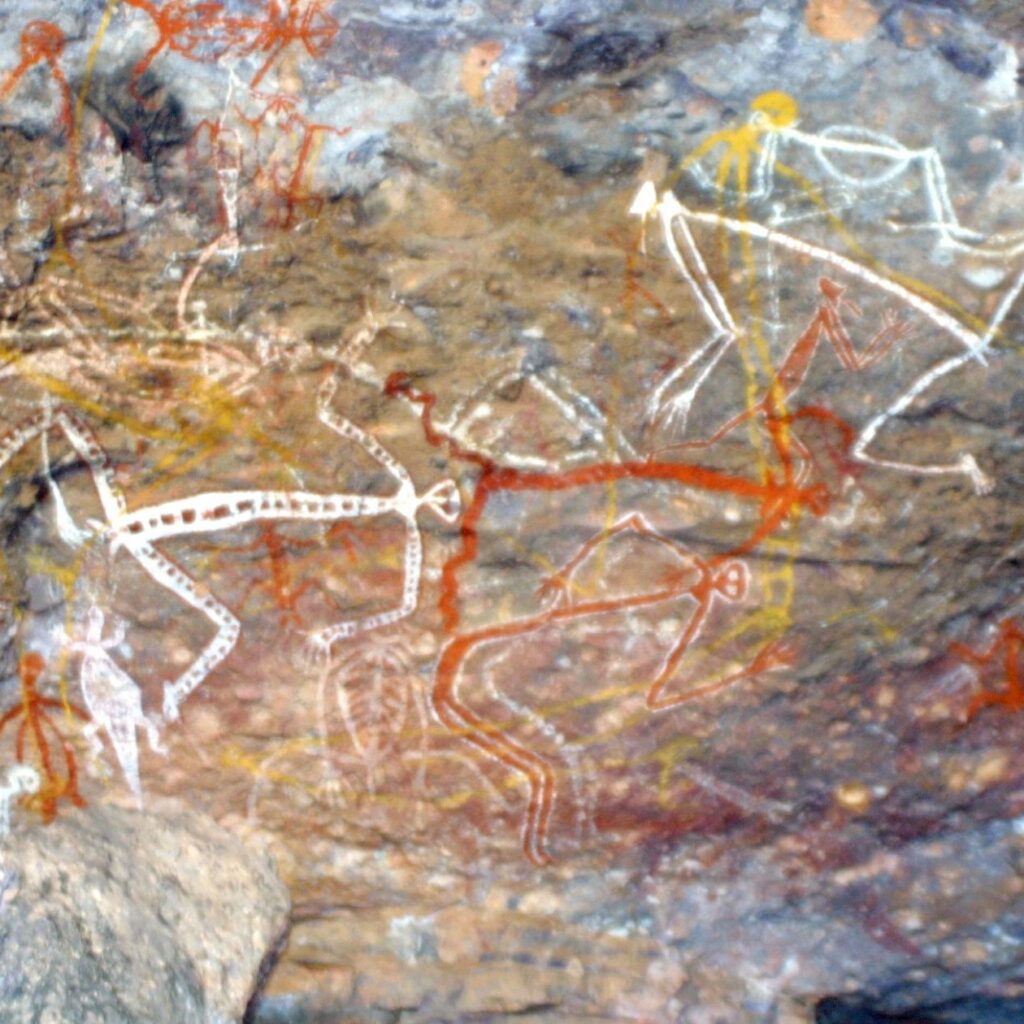
is one of the fundamental topics covered in many of the best books about Aboriginal culture, as an area that helps to portray and explain some of the many aspects of Indigenous societies, belief systems, and communities that are integral to the heritage of First Nations people.
Indigenous Australian authors will, of course, discuss in their own way, but the term is sometimes taken as a translation of the Arandic word ‘alcheringa’ or may be linked to ‘eternal’ as the closest translation in English.
While there are many names for in Aboriginal languages, it refers to a broad scope of stories, legends, and cultural lore that discuss the Ancestors and spiritual beings who created the natural world and continue to be a unifying aspect of life, connecting people with their communities, the land, and the world around them.
is inherently interlinked with lives, beliefs, history, and culture. It is a way for families and Elders to pass on their knowledge, learning, and heritage to those around them. Stories are a way to communicate traditions and customs, informing how people coexist, how they treat and protect the land, and how they make decisions in their daily lives.
Narratives may change in the retelling of stories. Still, the ethos remains unchanged, underscoring the importance of custodianship of the land and behaving with honour, respect, and character.
Although stories in the Western world are often seen as simply a form of entertainment, their longevity in also has practical applications. Children might, for example, learn through stories how to identify a species or plant or at what time of year to harvest a crop.
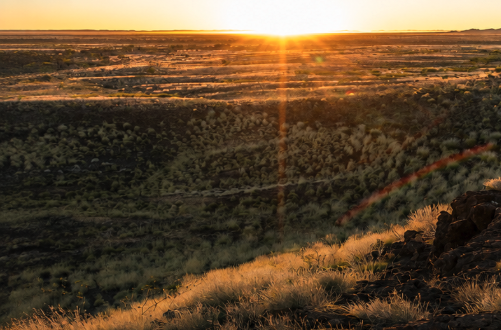
The locations and landmarks in stories are often considered sacred and can include craters, mountains, watering holes, and volcanoes. These sites may be reserved for Aboriginal and Torres Strait Islander people and carry great significance, reverence, and importance.
tells Aboriginal and Torres Strait Islander people how all things came to be and why they are as they are–stories are retold and reshaped, with popular tales about how kangaroos came to have pouches, why birds are multicoloured, how rivers were formed, and why we see a full moon once per month.
One of the important connecting themes between stories is that they are not something that happened once; they are not static events that will not be repeated, nor does belong to a specific time. Instead, it is the past, present, and future all at once.
In modern Australia, Indigenous authors may use traditional stories to explain why events happen or to reinforce key morals and ways to interact in a way that is relatable and understandable to younger generations. Rather than a series of stories, is a guide to the ways to be, sharing tales passed on through the years and explaining the customs, rules, and beliefs underpinning society.
stories might explain lessons about the way we should treat animals, how to choose a spouse, how to show respect for others, and how to behave when faced with a challenge or dispute.
Some stories originate from certain regions, communities, and Indigenous groups. However, all are centred around Aboriginal philosophy and the Spiritual Ancestors who created life and the animals, landscapes, and environment around us.
Many stories feature unique landmarks that may make one story particularly meaningful to one community–, for example, refers to the ‘Women’s Dreamtime’ site in the Tanami Desert, which is a sacred place for Napanangka and Napangardi women.
is thought to date back many thousands of years as a foundation of Indigenous beliefs and culture. Families and groups can sometimes identify with specific stories that resonate with their lives, heritage or ancestors.
While historians disagree, the story of Budj Bim, who transformed into a volcano, is thought to be the oldest story in the world. It was first told by the Gunditjmara people, who originated from southeast Australia roughly 37,000 years ago.
👉 [Register Here: Closing the Gap Webinar | 18 March 2026] Join Aunty Munya & Carla Rogers...
Read More
Each year, Australians receive another Closing the Gap update. The same questions rise again. What is Closing...
Read More
By Aunty Munya Andrews Aboriginal Elder, Author, and Co-Director, Evolve Communities This reflection was written by Aunty...
Read More